How much does it cost to start a bee farm? If you mean beginning sensibly with two colonies and buying most equipment new, US$1,000–$1,500 is a useful planning range. If you mean a commercial operation with dozens or hundreds of colonies, the answer quickly becomes many thousands or tens of thousands of dollars once bees, boxes, extraction equipment, transport, storage, labour and working capital are included.
TL;DR: Starting beekeeping and starting a commercial bee farm are not the same thing. The University of Missouri’s December 2025 enterprise budget estimates US$1,281 in capital investment for establishing two hives. Its model rises to US$6,210 for 10 producing hives, US$9,778 for 20 and US$22,258 for 30. Those are Missouri planning figures rather than universal prices, but they show why commercial expansion costs far more than simply multiplying the price of one hive.
If this is your first step into bees, our beginner beekeeping guide covers the decisions worth making before you spend heavily on equipment.
Beekeeping: Adventure, Business or Both?
In life, we sometimes have the choice between an adventure and a career. Beekeeping is most definitely capable of becoming an adventure.
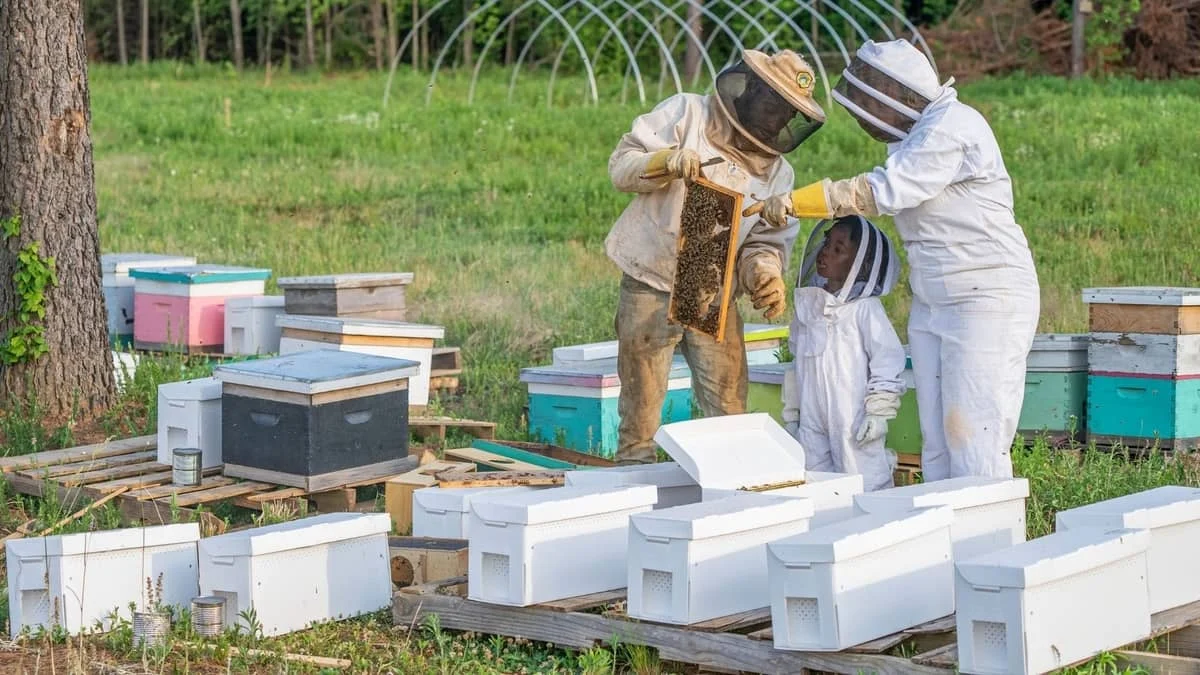
When I was a young beekeeper, I had a wise old friend and mentor named Andy Nachbaur. Andy taught me many things, but two pieces of advice have remained particularly memorable. The first was to wear a hat and protect yourself from the sun because beekeepers spend an extraordinary amount of their lives standing outdoors. The second was that if you want to become a millionaire from beekeeping, it is probably safest to start as a billionaire.
There is, naturally, a joke hidden in that second bit of advice. There is also quite a lot of truth.
Beekeeping can be rewarding, fascinating and profitable, but it can also be hard physical work. There will be moments when you are stuck in mud at an antisocial hour in the rain with a load of bees wondering exactly which decision in your life brought you to this point. There will also be occasions when the bottom falls off a hive you are carrying and angry bees discover gaps in your protective clothing that you had previously believed did not exist.
Bees are remarkable animals. They are also very good at ensuring that beekeeping never becomes boring.
How Much Does It Cost to Start With Two Hives?
For most beginners, I would plan around two colonies rather than one. Two hives let you compare colony development and give you useful management options if one colony becomes weaker than the other.
The University of Missouri’s current beekeeping planning budget, revised using December 2025 prices, estimates US$1,281 in capital investment to establish two hives. That includes hive equipment, bees, a smoker, protective equipment, feeders and basic pest-management gear. It is a useful benchmark rather than a global price list.
A practical beginner range of roughly US$1,000–$1,500 therefore remains reasonable if you are buying most equipment and bees new. Your actual figure will depend on the local price of nucs or packages, hive style, freight, exchange rates, whether you assemble equipment yourself and what you already own.
Our beginner beekeeping equipment and tools guide covers the core gear in more detail. A first-year budget normally needs to allow for:
- two complete hive setups;
- two colonies of bees;
- protective clothing;
- a smoker and hive tools;
- feeders where required;
- basic pest and disease-management equipment;
- spare frames and boxes as colonies grow; and
- the miscellaneous pieces of equipment nobody remembers until they need them.
If you are pricing the wooden equipment separately, our guide to current beehive costs covers that part of the calculation.

Where Does the Money Go?
The hive itself is only one part of the startup cost. You need somewhere for the bees to live, but you also need the bees, equipment to work them safely, equipment to manage pests and disease, spare components as colonies grow and eventually some method of dealing with honey.
The costs arrive at different times. You may not need an extractor when the bees arrive, but if they produce a good surplus later in the season you suddenly need a way to process it. A beehive starter kit can help you compare a bundled setup with buying every component separately.
This is why I prefer building a first-year budget instead of merely pricing the first hive.
ABC-XYZ of Beekeeping is one of those books worth having around. There is a lovely saying that ten years of making mistakes in the apiary can save you a whole morning in the library.
The Cost of the Beehives
Hive prices vary widely because “a beehive” can mean anything from an empty brood box to a complete hive containing frames, foundation, a bottom board, covers and honey supers.
Construction quality matters too. Cheap boxes that warp, split or do not fit properly can become surprisingly expensive after a few seasons. Standardised equipment also makes expansion easier because frames and boxes can be interchanged between colonies.
For a beginner intending to expand, I generally prefer equipment that is common in the local beekeeping industry. It is easier to find replacement parts, borrow equipment and get practical advice from nearby beekeepers.
Before committing to one system, our Warre versus Langstroth comparison explains how different hive styles affect the way you work the bees.
How Much Do the Bees Cost?
You can start with a nucleus colony, a package where packages are commonly sold, an established colony or a captured swarm. Our guide to how much honey bees cost compares those routes in more detail.
Bee prices vary with location, season, genetics and availability, so I would not attach one permanent price to a nuc or package. Local clubs and reputable suppliers are the best place to obtain a current regional price.
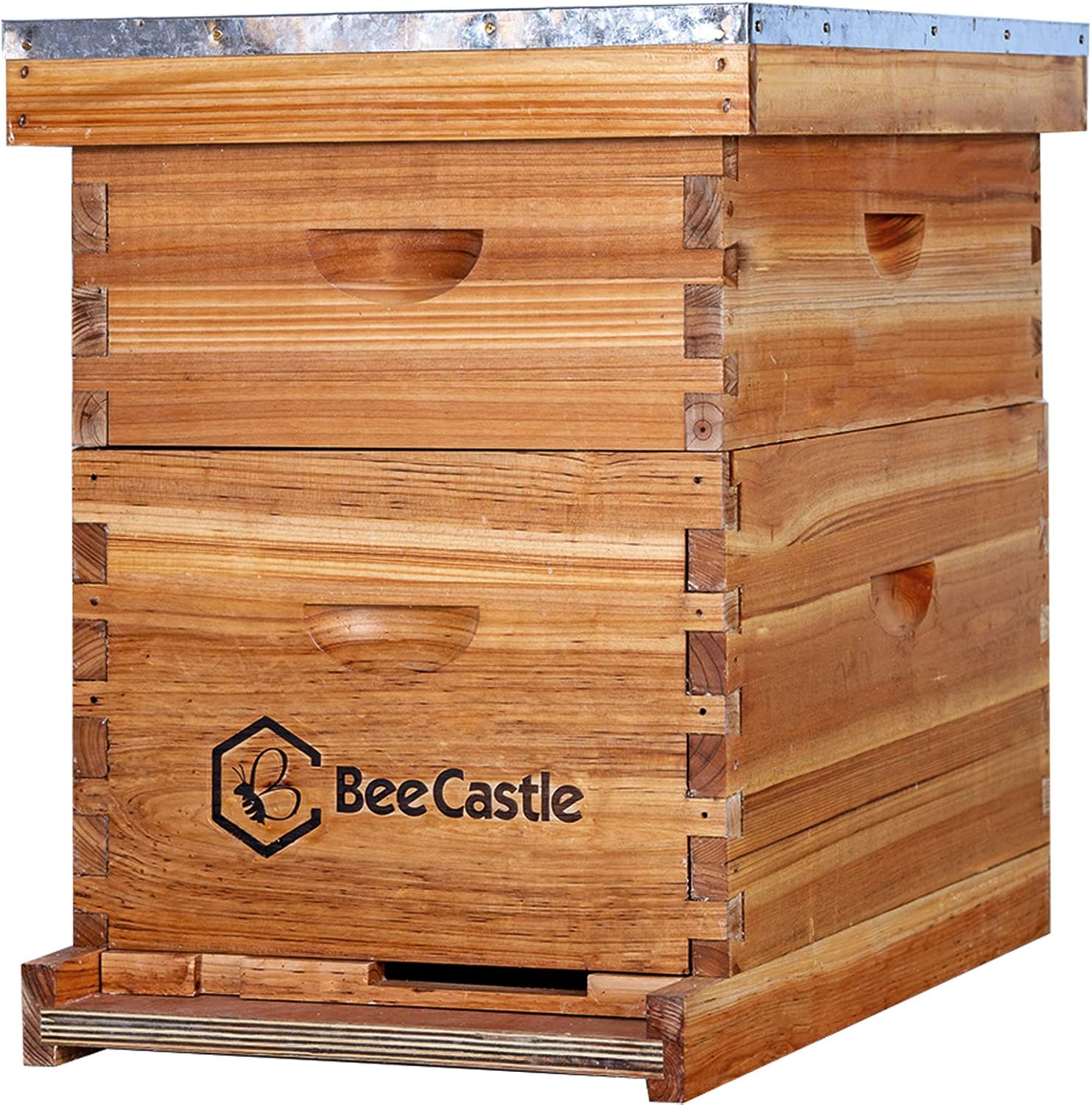
A complete wax-coated Langstroth setup such as this BeeCastle hive is an example of the sort of standardised equipment a beginner might compare with local suppliers. The important questions are what is actually included, whether the dimensions match locally common equipment and whether replacement parts will remain easy to source. I would not buy it because of a temporary online price.
If you want to experiment with a bait hive, our guide to lemongrass oil for honey bees explains why it can interest scout bees.
Packages are another route in regions where they are commonly sold. See how many bees are in a package for more detail.
Buying a Nuc
A nuc is short for nucleus colony.
A gentle warning: when searching online, make sure you type nuc with a “c.” Searching for somewhere to buy a “nuke” is a completely different hobby and may result in a rather more interesting browsing history than you intended.
A good nucleus colony normally contains a functioning queen, workers, brood, food stores and drawn comb. I have always liked nucs as a way to start because you are receiving a functioning little colony rather than simply a box of bees.
The quality matters enormously. Buy from somebody with a good local reputation and ask about queen age, temperament, disease history and how the colony has been managed.
Buying Package Bees
Packages normally contain adult bees and a queen that you install into prepared hive equipment. They can work perfectly well, but the colony starts from an earlier point than a functioning nuc because it needs to establish comb and build its population.
Availability varies greatly by country. Use the method that reputable beekeepers commonly use in your own region rather than assuming one country’s normal practice applies everywhere.
Catching a Swarm
Then there is the option that appeals to every thrifty beekeeper: free bees.
A bait hive or swarm capture can provide a colony for very little money. I have spent plenty of time collecting bees, and it is an excellent way to develop practical skills.
The disadvantage is that swarms are unpredictable. Their genetics, queen quality and health history may also be unknown. I regard free swarms as a delightful bonus rather than the foundation of a first-year financial plan.
Protective Equipment Is Part of the Budget
Buy protective clothing that works. I have always been suspicious of buying the cheapest possible bee suit. There are certain pieces of safety equipment where discovering the manufacturing weaknesses while using the product is rather inconvenient.
A Humble Bee polycotton suit is one example of the sort of full protective suit available. Visibility through the veil, ventilation, fit and the ability to move properly matter at least as much as the brand name.
A rather dirty-minded beekeeper once told me that buying a budget bee suit is like buying a budget condom. It is not safe if it has holes in it.

Good protective equipment can last for years if looked after, so I would rather buy something suitable than repeatedly replace bargain gear.
Smoker, Hive Tools and Fire Safety
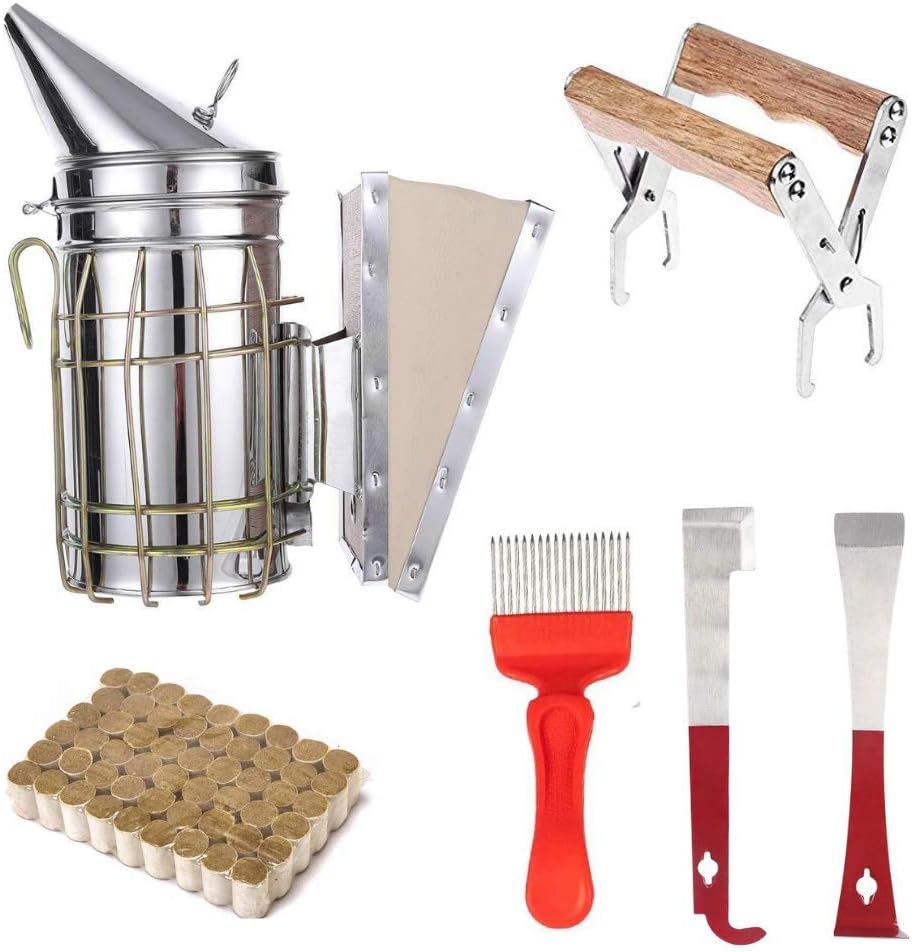
A smoker and hive tool are basic equipment for most conventional beekeeping. The hive tool is uncomplicated; the smoker contains fire, so it deserves more respect.
I tend to use simple smoker fuels rather than special pellets. Whatever you burn, make sure the smoker is fully extinguished and safely contained before travelling.
I learned this lesson through the sorts of experiences that make good stories afterwards but are not particularly enjoyable at the time. Hot equipment inside vehicles is a poor combination, and a smoker that looks extinguished can still contain enough heat to cause trouble.
These kits often come with smoker pellets. I generally use clean, uncoated brown cardboard. I also carry several ignition options because lighters break and matches become useless when wet. Keep fuels, matches and lighters stored safely and follow local fire restrictions.
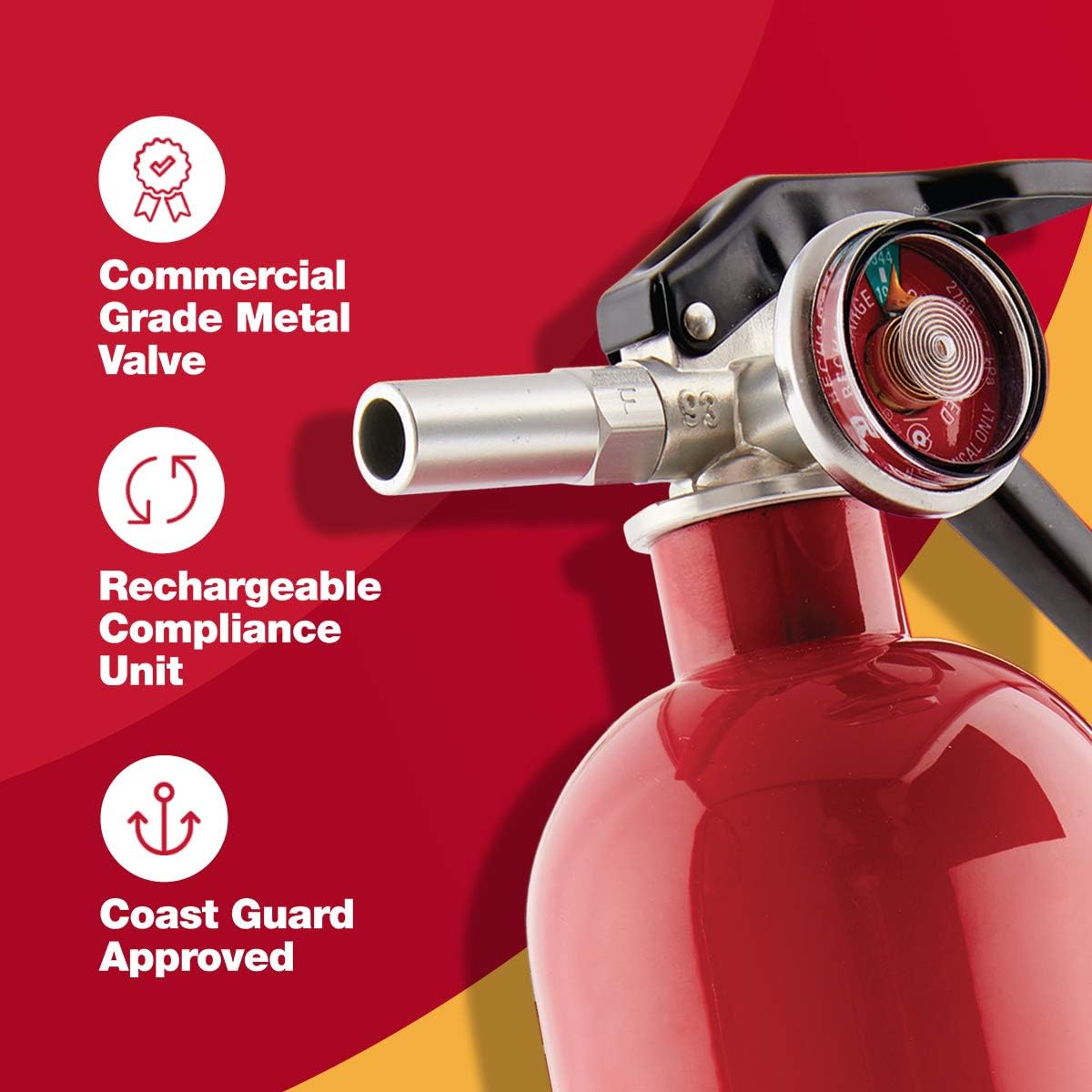
Keep an appropriate extinguisher accessible where local conditions warrant it and know the rules applying to smoker use during fire-danger periods. A multipurpose fire extinguisher is one example of the sort of vehicle safety equipment worth considering; choose the size and rating appropriate to your vehicle, local regulations and fire risk rather than assuming one model fits every situation.
Do not burn your vehicle down in pursuit of honey. It makes the economics of beekeeping considerably worse.
Bee Stings and Allergy Safety
If you keep bees, stings are likely. For most people a sting causes temporary pain, redness and swelling, but severe allergic reactions can occur and require emergency treatment.
Make sting safety part of your planning. Know how to recognise signs of a severe reaction, have a way to call emergency assistance from remote apiaries and follow medical advice if you have a known allergy or have been prescribed an epinephrine autoinjector.
This also matters when taking helpers into an apiary. Bees may be familiar to you, but the person helping you move boxes may not know how their body will react.
Do You Need a Honey Extractor Immediately?
No. This is one of the easiest places for a beginner to overspend.
There is little point buying expensive extraction equipment before you know whether your first colonies will produce enough surplus honey to justify it. Many clubs have shared equipment, and in other areas beekeepers hire or borrow extractors.
As colony numbers grow, owning an extractor becomes increasingly convenient. At commercial scale, extraction becomes core infrastructure and can represent a significant capital investment.
Purchase equipment when it removes a real bottleneck, not merely because you have seen it in somebody else’s honey house.
Used Equipment Can Save Money — With One Warning
Second-hand equipment can reduce startup costs. Beekeeping sheds have a habit of accumulating boxes, supers and extractors, and older beekeepers are often extraordinarily generous toward somebody genuinely interested in learning.
I benefited enormously from this when I started. Beekeeping has always had a strong culture of people passing equipment and knowledge to the next person. I have been given equipment and have given equipment away in turn.
There is one serious biological complication: used hive equipment can carry disease. In particular, comb and woodenware from colonies with unknown history deserve caution. Follow local bee-health guidance before bringing second-hand hive components into your apiary.
Sometimes new equipment is cheaper than introducing somebody else’s problem to every colony you own.
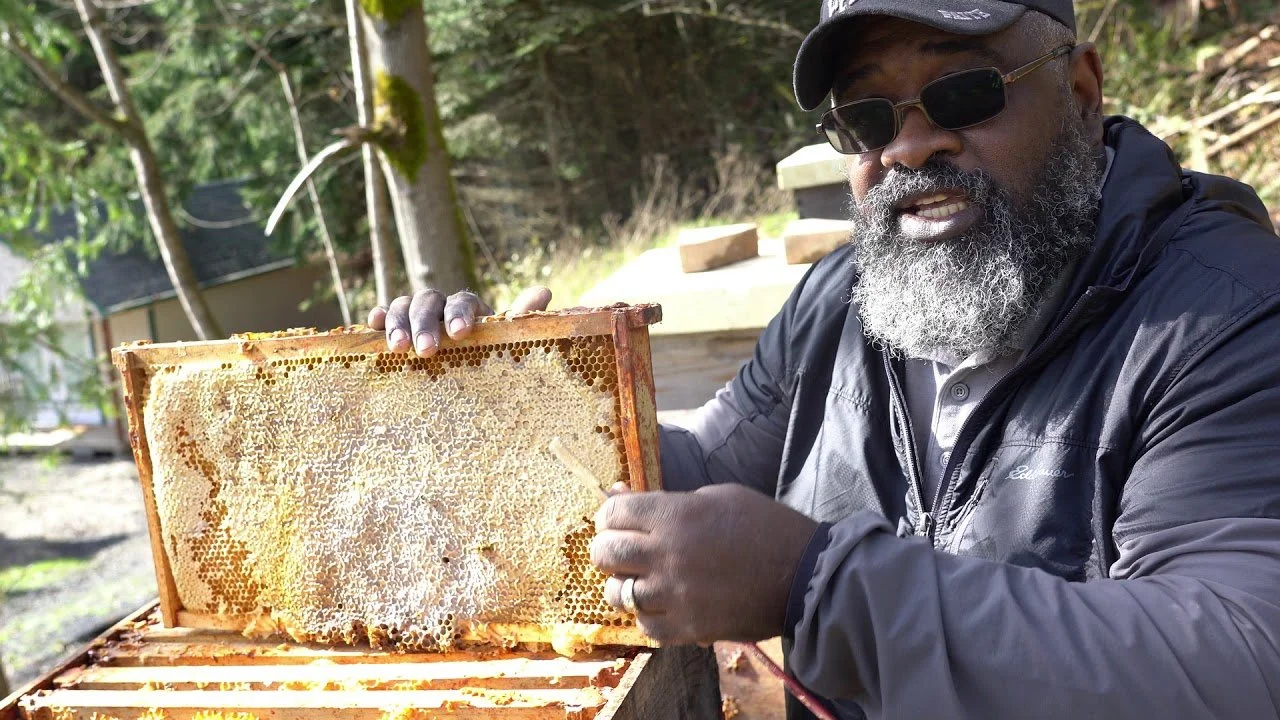
What Does It Cost to Expand Into a Bee Farm?
This is where the answer becomes much harder.
A person expanding from two colonies to ten can often keep using relatively simple equipment. Move from ten to fifty and transport, storage, honey processing, spare equipment and labour become much larger considerations. Move into hundreds of colonies and you are designing an agricultural business rather than merely buying more bee boxes.
The Missouri Extension model illustrates the step change. Its 2025 capital assumptions total US$6,210 for 10 producing hives, US$9,778 for 20 and US$22,258 for 30. The 30-hive model includes substantially more storage and extraction infrastructure than the smaller setups, which is exactly what happens in real operations: expansion creates new system-level costs.
| Modelled scale | Missouri 2025 capital investment |
|---|---|
| Establishing 2 hives | US$1,281 |
| 10 producing hives | US$6,210 |
| 20 producing hives | US$9,778 |
| 30 producing hives | US$22,258 |
These figures are best used to understand the shape of the cost curve, not as a quote for your own business.
At larger scale you may also need:
- vehicles or trailers;
- pallets and mechanical lifting equipment;
- a dedicated honey-processing area;
- larger extractors and uncapping equipment;
- storage tanks, pumps and bulk containers;
- warehousing;
- insurance;
- registration and compliance costs;
- additional apiary sites; and
- paid labour.
There is no honest universal statement such as “it costs $50,000 to start a bee farm.” Two businesses in different regions can have completely different costs and revenue models.
How Many Hives Should You Start With?
If you have never kept bees, I would start with two colonies rather than fifty.
Two gives you comparison. You begin seeing that one colony is stronger than another, one queen lays differently from another and one hive may respond to the same weather very differently.
You can increase the number as your skills improve. There is no prize for becoming overwhelmed faster.
The ecological limit matters too. Our guide to how many beehives a site can support explains why the number of colonies you can afford and the number the surrounding forage can support are separate questions.
Learn Beekeeping Before Writing the Commercial Plan
If you think commercial beekeeping may be for you, start by keeping a small number of colonies while maintaining another income. Experience the entire seasonal cycle rather than only the pleasant parts.
Then, if possible, spend time with somebody operating at the scale you eventually want to reach. You need to see what happens when the honey flow arrives, equipment runs short, colonies need moving, queens fail, weather turns against you and hundreds of boxes need handling in a narrow period.
The financial model you build after actually working bees will be far more useful than one built before opening your first hive.
What Should a Bee Farm Business Plan Include?
At minimum, I would calculate:
- the number of colonies you intend to operate;
- establishment cost per colony;
- expected annual colony losses;
- replacement queens and bees;
- expected honey yield per productive hive;
- realistic selling price and sales channel;
- apiary rent if applicable;
- feed and treatment costs;
- extraction, packaging, jars and labels;
- transport and fuel;
- equipment replacement and depreciation;
- labour;
- insurance and compliance;
- storage and marketing; and
- working capital for poor seasons.
Do not build the model from your best year. Build it around an ordinary or slightly disappointing year and make sure the business can survive it. Bees and weather both enjoy producing surprises.
Think About Where the Hives Will Go
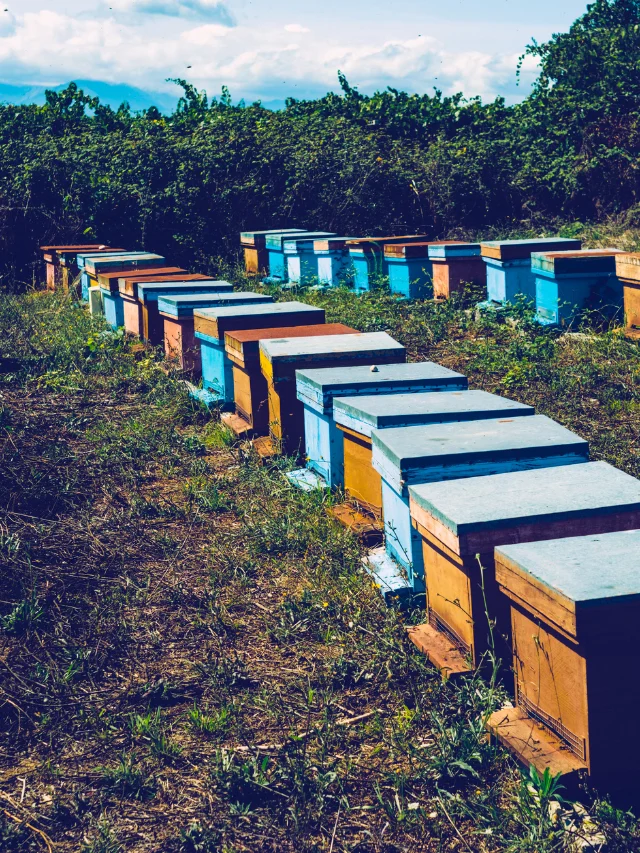
It is surprisingly easy to buy colonies before establishing where those colonies can legally and sensibly live.
A commercial beekeeper needs forage, vehicle access and locations where colonies do not create unnecessary conflict with people or livestock. Backyard beekeepers face the same questions at smaller scale.
Before buying more hives, read our guide to bees, neighbours and beekeeping laws. Registration, hive-density, nuisance and movement requirements vary by jurisdiction.
Can You Make Beekeeping Cheaper?
Yes, but there is a difference between being economical and being cheap.
You can reduce startup costs by borrowing extraction equipment, joining a club, catching swarms, assembling boxes, buying suitable used equipment and increasing colony numbers through splits rather than purchasing every new hive.
You can also save enormous amounts of money by learning from somebody else’s mistakes instead of insisting on making all of them yourself.
There is a lovely saying that ten years of mistakes in the apiary can save you a whole morning in the library.
Read widely. Take a course. Find a mentor. Spend time with beekeepers who are better than you. Knowledge is among the cheapest pieces of beekeeping equipment you will ever acquire.
When Does a Hobby Become a Bee Farm?
There is no universal hive count at which a beekeeper magically becomes a farmer.
The transition is gradual. You keep bees because you enjoy them, then perhaps sell some honey. Later the honey pays for equipment, and eventually the number of colonies, customers and infrastructure means the operation behaves like a business.
That gradual transition is healthy because your systems grow with your experience.
Keeping two hives is wonderful. Keeping two hundred hives is not simply the same experience multiplied by one hundred.
The Bottom Line
If you want to start beekeeping, allow roughly US$1,000–$1,500 for a sensible two-hive setup using mostly new equipment, while recognising that local prices can move that number considerably in either direction.
If you want to start a commercial bee farm, there is no single meaningful price. Even a 10- to 30-hive operation can require several thousand to more than twenty thousand US dollars in capital under one current university budget, and serious commercial operations involving vehicles, processing equipment and large numbers of colonies can require vastly more.
My advice is not to begin by deciding how much money you are prepared to spend. Begin by learning how to keep bees.
Start with a couple of colonies, make mistakes, harvest some honey and experience both the good days and the ridiculous ones. Then work with people operating at the scale you eventually want to reach.
Beekeeping has taken me to places I could never have predicted when I started — from Africa to North America, Asia, Europe and South America. It has been a remarkable adventure, and I would not trade that experience for a spreadsheet telling me what it was all supposed to cost.
Just remember Andy’s advice.
If your primary objective is becoming a millionaire through beekeeping, starting as a billionaire still provides a useful safety margin.
Frequently Asked Questions
How much does it cost to start beekeeping with two hives?
A useful planning range is about US$1,000–$1,500 when buying most equipment and bees new. The University of Missouri’s December 2025 planning budget estimates US$1,281 in capital investment for establishing two hives, but local prices can be substantially higher or lower.
How much does it cost to start a small bee farm?
There is no fixed amount. Moving beyond a few hobby colonies generally means several thousand dollars in hives, bees and equipment, and costs rise quickly when dedicated extraction equipment, transport, storage and additional apiary sites are required.
Is beekeeping expensive to start?
Compared with many hobbies, beekeeping has a meaningful startup cost because you are buying livestock, housing, protective equipment and tools. Ongoing costs can include feed, pest and disease management, replacement equipment, queens and replacement colonies.
How many hives should a beginner start with?
Two hives is a useful starting point for many beginners. It allows you to compare colony development and can provide more management flexibility than keeping a single hive without creating an overwhelming workload.
Can I start with only one beehive?
Yes. One hive is possible, but two colonies normally provide a better learning environment because you have another colony for comparison and, in some situations, a source of brood or other resources.
Do I need a honey extractor in my first year?
Not necessarily. Many beginners borrow, share or hire extraction equipment. Buying an extractor becomes more useful when the number of productive colonies makes sharing or hiring inconvenient.
Can I start beekeeping without buying bees?
Yes. A captured swarm can sometimes establish a colony at very low cost, but swarms are unpredictable and their genetics, queen quality and health history may be unknown. A reputable local nuc or other appropriate starter colony is more predictable.
Is used beekeeping equipment safe to buy?
It can be, but used hive equipment can carry serious bee diseases. Know its history and follow local bee-health guidance before introducing unknown boxes, frames or comb to your apiary.
How long does it take a bee farm to become profitable?
There is no reliable universal timeframe. Profitability depends on colony survival, honey yield, selling price, labour, capital invested, other income streams and poor-season resilience. A sound plan should not depend on exceptional first-year honey production.
What costs do new beekeepers most often forget?
Commonly overlooked costs include extra supers and frames, feeders, pest-management equipment, replacement queens or colonies, jars and labels, extraction equipment, fuel, storage, insurance, compliance costs and the value of the beekeeper’s own time.

Dr Garth A. Cambray is a beekeeper, biotechnologist and researcher with nearly three decades of practical beekeeping experience. He holds a PhD in Biotechnology from Rhodes University and has worked extensively in honey production, fermentation biotechnology and value-added bee products. View Dr. Garth Cambray’s credentials, research and experience.
Ready to Start Beekeeping?
Take the next step with our free beginner beekeeping guide. Learn what equipment you need, how to set up your first hive and what to expect during your first season.