Helping new beekeepers understand their options, choose suitable equipment and build successful, sustainable apiaries.
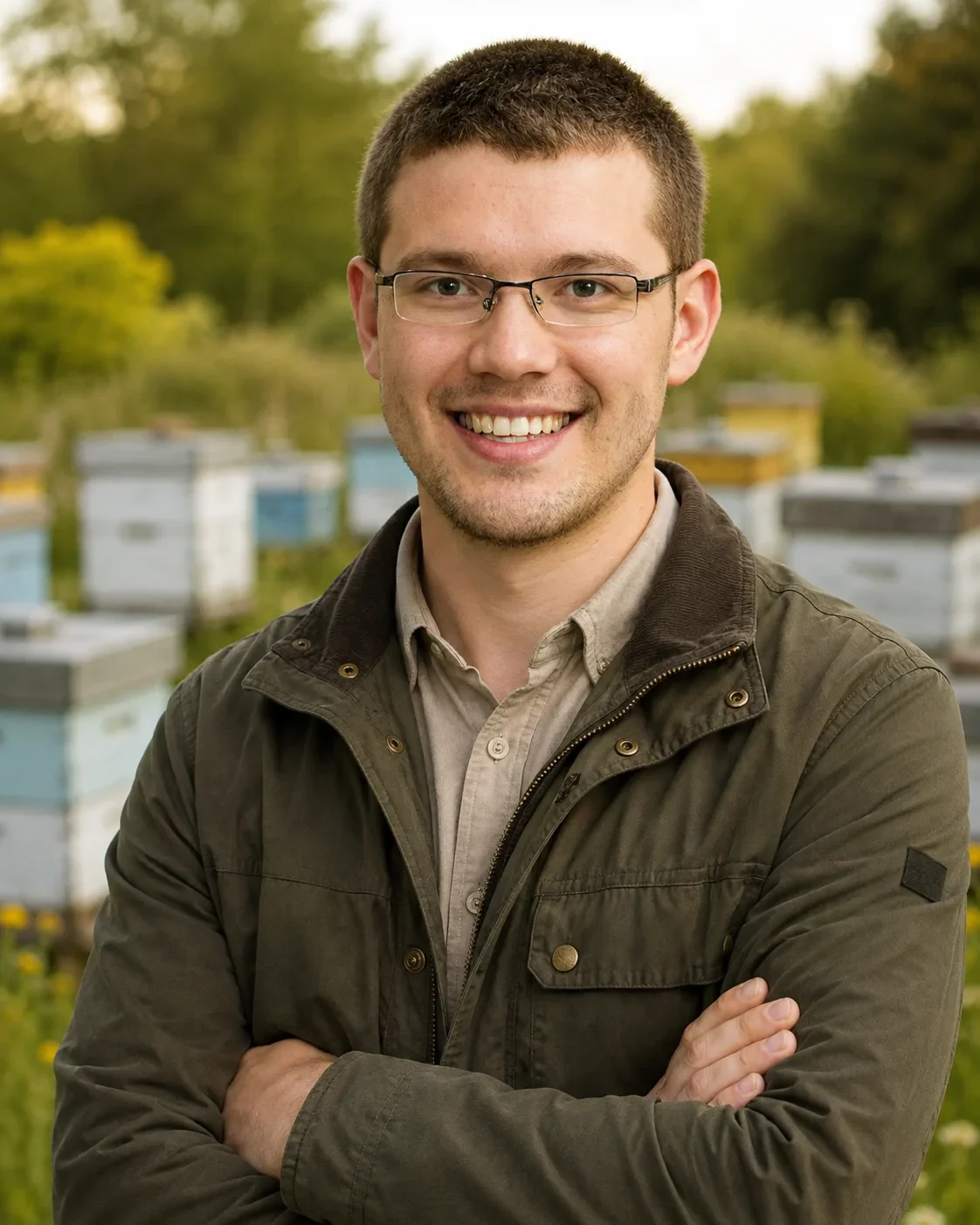
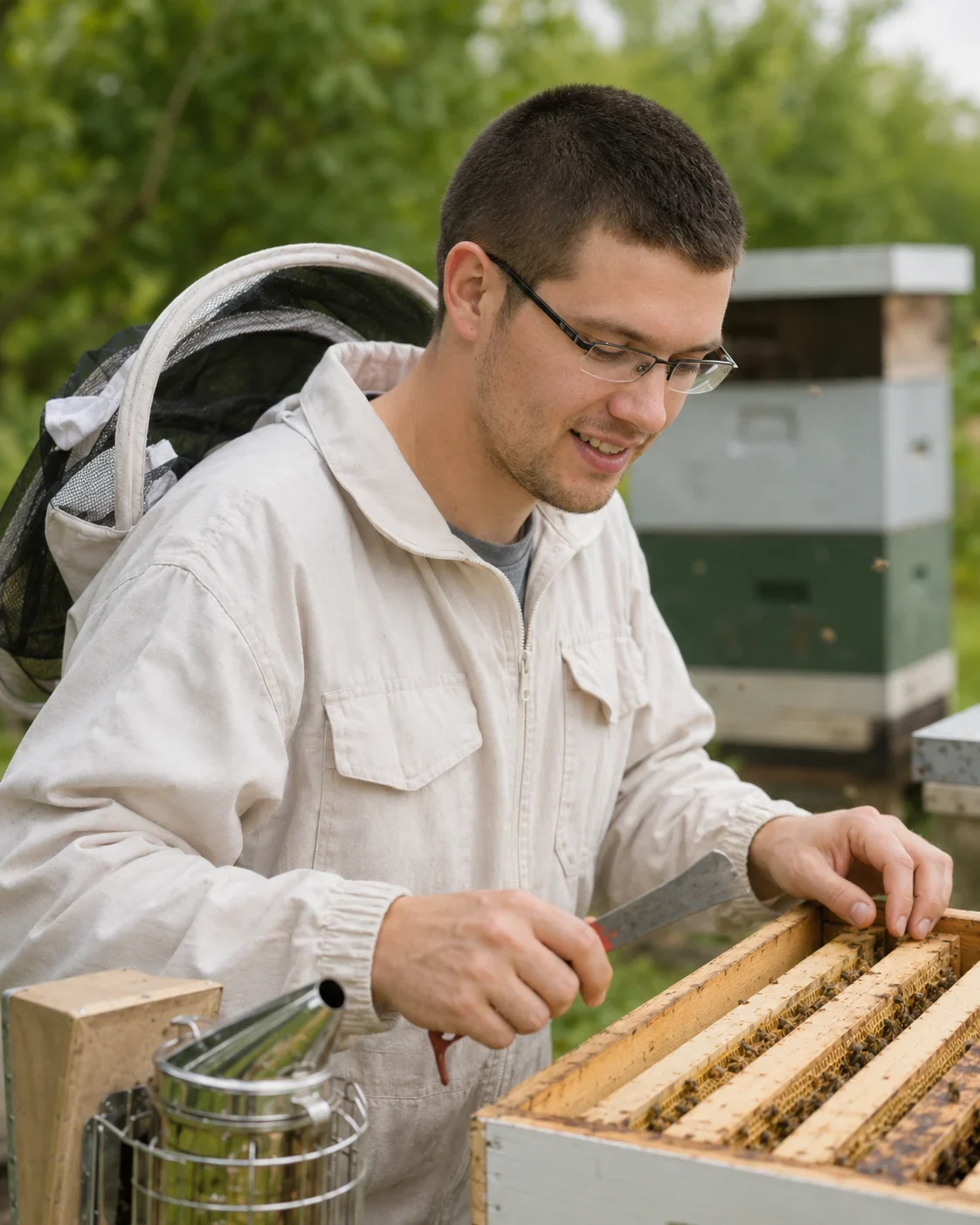
Sam Fielding
Beekeeping Writer & Equipment Researcher
Sam Fielding is a regular contributor to BeekeeperTips, writing practical guides for beginner and hobbyist beekeepers. His work focuses on beehive systems, equipment, supplies and the real-world decisions that come with getting started with bees.
Sam researches established beekeeping practices, equipment specifications and different approaches to hive management, translating that information into straightforward advice that new beekeepers can put into action.

Knowledge Areas
Beekeeping Techniques
Hive Management & Maintenance
Beekeeping Equipment
Honey Harvesting & Processing
Supplies & Buying Guides
Product Reviews & Comparisons
Beginner Beekeeping
Mission:
Sam’s work focuses on practical beekeeping information that helps new and developing beekeepers make better decisions, choose appropriate equipment and build healthy, sustainable apiaries.

Editorial Role
Sam is part of the BeekeeperTips editorial team and contributes primarily to our beginner beekeeping, equipment and hive-management content.
His work complements the first-hand experience and scientific background of our principal author, Dr. Garth A. Cambray, helping BeekeeperTips combine experienced beekeeping insight with carefully researched guides for new and developing beekeepers.
Research & Writing Approach
Information in Sam’s articles is developed from established beekeeping practices, manufacturer documentation, agricultural and university extension resources, scientific literature where relevant, and the wider practical experience represented across BeekeeperTips.
Complex subjects are broken down into practical comparisons and easy-to-follow explanations so that readers can understand not only what their options are, but why one approach may suit them better than another.
Equipment and product information is also reviewed periodically as specifications, availability and beekeeping technology change.
Our Commitment to Accuracy
Beekeeping advice is rarely one-size-fits-all. Climate, bee genetics, available forage, local regulations and management style can all influence what works best in a particular apiary.
Sam’s articles aim to distinguish between established facts, practical recommendations and areas where beekeeper preference plays an important role.
As new research emerges and equipment or regulations change, BeekeeperTips reviews and updates older content to keep its guidance useful and accurate.
Working Together for Better Beekeeping
BeekeeperTips exists to provide trustworthy, practical information for beekeepers at every stage.
Sam’s researched guides and equipment comparisons complement Dr. Garth Cambray’s practical beekeeping experience, helping readers make informed decisions about their bees, hives and equipment.
The goal is simple: make beekeeping easier to understand while supporting healthy colonies and better-informed beekeepers.
New to Beekeeping?
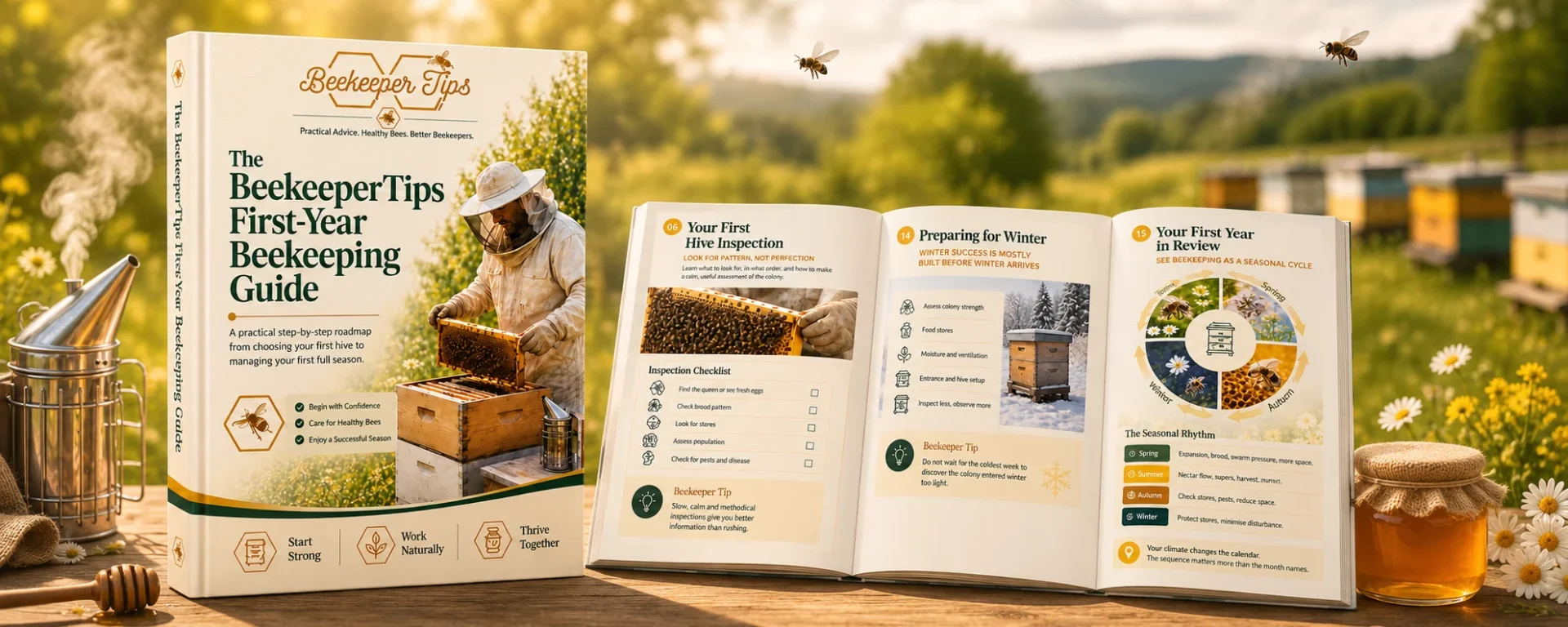
Starting your first hive involves a surprising number of decisions, from choosing the right hive and equipment to understanding what your bees will need during their first season.
Our Beginner Beekeeping Guide brings those decisions together in one practical starting point.
Featured Articles by Sam Fielding
Editorial Note
Articles written by Sam Fielding are developed from established beekeeping practices, reputable agricultural and extension resources, manufacturer documentation and scientific literature where relevant. His work focuses on translating technical information, equipment specifications and differing beekeeping approaches into clear, practical guidance for beginner and hobbyist beekeepers.
Where an article discusses product performance, hive design or management choices, distinctions are made between objective information, practical recommendations and areas where beekeeper preference may influence the best approach.
Beekeeping conditions vary by climate, honey bee race, forage availability and jurisdiction. Readers should always consider local regulations, pest and disease requirements, weather conditions and appropriate professional or experienced local guidance when applying beekeeping information to their own colonies.