
Beehives, Equipment & Honey

Choose the Right Hive, Gear Up Properly and Harvest Honey

A practical guide to beehive types, essential tools, hive components and honey-harvesting equipment. Learn what you actually need, what can wait, and how to make better choices as your apiary grows.

Choose the Right Bee Hive

Buy Practical Equipment

Harvest Honey with Confidence

Printable checklist, inspection report & seasonal guidance

Beehives, Equipment & Honey

Choose the Right Hive, Gear Up Properly and Harvet Honey

A practical guide to beehive types, essential tools, hive components and honey-harvesting equipment. Learn what you actually need, what can wait, and how to make better choices as your apiary grows.

Printable checklist, inspection report & seasonal guidance

Beehives, Equipment and Honey Roadmap

1.

Choose Your Hive System

2.

Understand Hive Costs

3.

Buy Only the Essentials

4.

Choose The Frames & Foundations

5.

Set up your hive stand

6.

Learn your core tools

7.

Understand brood boxes & supers

8.

Choose feeding gear wisely

9.

Learn honey harvesting basics

10.

Pick your extraction setup

Equipment Principle:

Healthy bees come first.

Good equipment should make management easier, not more complicated.

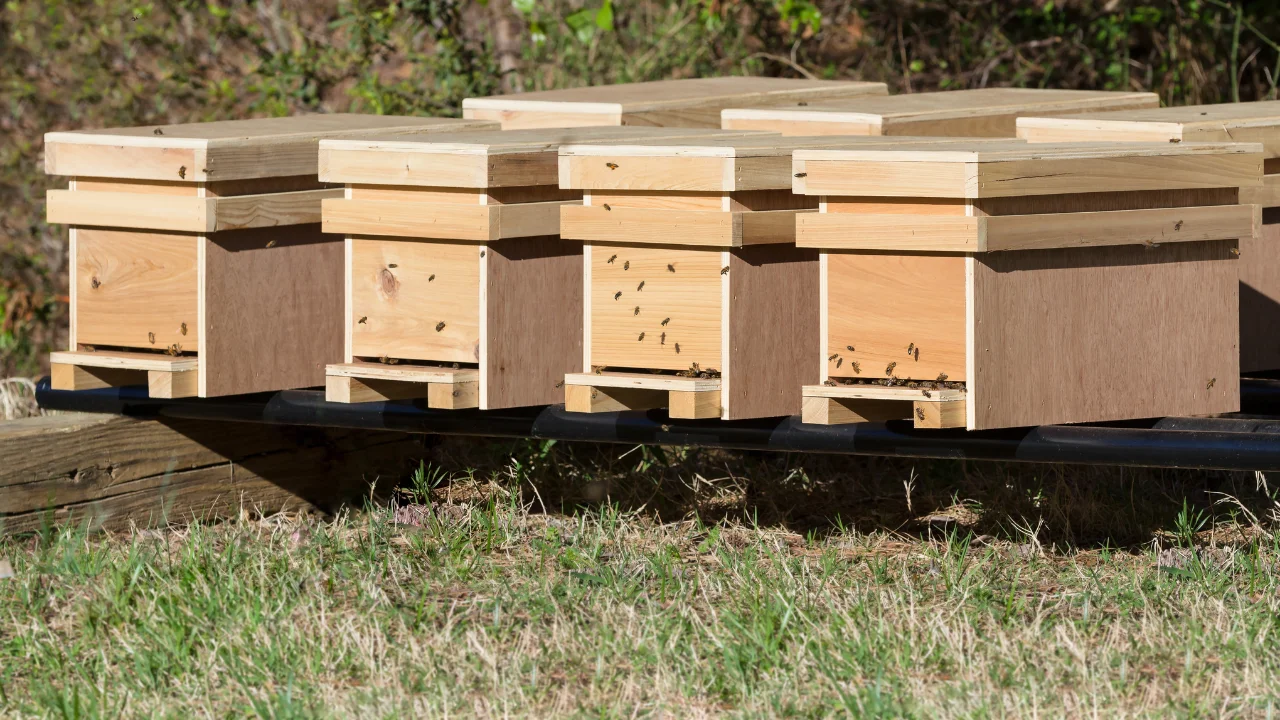
Best Beekeeping Supplies Available including a selection of langstroth beehives in the morning sun

Choose the Hive That Suits You

There is no single perfect beehive for every beekeeper.

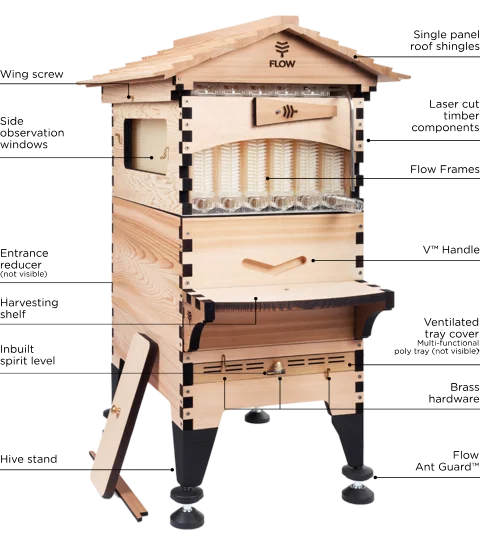
Langstroth hives are widely used because parts are standardised, equipment is readily available and there is a large body of practical knowledge around managing them. But Warré hives, Flow Hives, top-bar hives and other systems can all make sense in the right circumstances.

Before choosing a hive, think about:

  • the equipment available in your area;
  • how much weight you can comfortably lift;
  • whether you want removable frames;
  • how easily replacement components can be sourced;
  • your climate;
  • your budget;
  • how you intend to harvest honey;
  • how much intervention you want in the colony.

The best hive is not necessarily the most advanced one. It is the system that you can understand, maintain and manage consistently.

How Much Do Beehives Cost

Understand What Beehives Cost

The price of a beehive is only part of the cost of setting up an apiary.

A complete hive may include:

  • bottom board;
  • brood box;
  • frames;
  • foundation;
  • inner cover;
  • lid;
  • honey supers;
  • queen excluder;
  • hive stand;
  • feeders or other accessories.

When comparing prices, make sure you are comparing complete systems rather than simply comparing the price of one wooden box.

Cheap equipment can also become expensive if its dimensions are unusual or replacement parts are difficult to source later.

Standardisation is one of the most useful things a beekeeper can build into an apiary.

Top Bar Bee Hive on a Homestead for Natural Beekeeping Practices

Compare Popular Hive Systems

Different hive systems suit different beekeepers.

A Langstroth hive provides removable frames and highly standardised equipment. A Warré hive takes a different approach to colony management, while a Flow Hive changes the way honey can be removed from the super.

None of these systems removes the need to understand bees.

A Flow Hive, for example, can make honey harvesting easier, but the colony still needs normal inspections, space management, pest control and seasonal care.

Comparing hive designs side by side helps separate genuine advantages from marketing claims.

Read our comparisons:

Warré Hive vs Langstroth →

Flow Hive Review →

Electric Bee Smoker Used on a Hive

Buy the Equipment You Actually Need

Beekeeping catalogues are full of tools, gadgets and specialised accessories.

You do not need most of them when you start.

The basic equipment for many beekeepers includes:

  • protective clothing;
  • a smoker;
  • hive tool;
  • suitable hive boxes;
  • frames and foundation where required;
  • feeder when there is a genuine need;
  • a safe method of handling hot smoker equipment;
  • a simple system for recording inspections.

Good equipment should make working with your bees easier.

Owning more equipment does not automatically make you a better beekeeper, and complicated tools are rarely a substitute for understanding what is happening inside the colony.

Best Beekeeping Equipment for Beginners →

Beehive Starter Kit With Bees And The Most Important Equipment You Need

Starter Kits Can Be Useful — Sometimes

A beekeeping starter kit can be a convenient way to buy several essential items together.

For a beginner, this can simplify the first purchase and reduce the chance of forgetting something obvious.

But not every kit represents good value.

Some include equipment you are unlikely to use, while others leave out important items or use hive components that are difficult to match later.

Before buying a kit, check:

  • exactly what is included;
  • the hive dimensions and standard being used;
  • whether replacement boxes and frames are readily available;
  • the quality of the veil or protective clothing;
  • smoker size and construction;
  • whether bees are actually included;
  • whether the kit contains items you genuinely need.

Buy a kit because the contents make sense — not because the box says “complete.”

wax foundation for bee frames

Frames, Foundation & Hive Components

Frames, foundation, brood boxes, supers, covers, stands and entrances all affect how easily a hive can be inspected and managed. Foundation provides bees with a guide on which to build comb. It can be made from beeswax, plastic or combinations of the two.

Plastic vs Wax Foundation →

Foundationless Frames Guide →

How to Install Wax Foundation →

Brood boxes and supers

The brood box contains the core brood nest where the queen lays and young bees develop. Honey supers provide additional storage space above the brood area when the colony and nectar flow justify it.

When to Add a Second Brood Box →

When to Add Honey Supers →

Hive stands, covers and entrances

A suitable hive stand can improve working height, drainage and stability. 

How to Build a Beehive Stand →

Beehive Entrance Reducer Dimensions →

Beehive Winter Covers →

how many hives can one person manage

Learn to Use Your Core Tools

A smoker and hive tool are two of the simplest pieces of beekeeping equipment, but learning to use them properly makes hive inspections significantly easier.

Bee smoker

Smoke helps disrupt alarm communication and can make colonies easier to work.

The objective is not to fill the hive with smoke.

Use enough cool smoke to achieve the desired response and then work calmly.

Fuel choice matters as well. Avoid materials that produce unpleasant, contaminated or excessively hot smoke.

How Does a Bee Smoker Work? →

How to Use a Beekeeping Smoker →

Protective equipment

A veil or bee suit should allow you to concentrate on the colony rather than worrying constantly about being stung.

Beginners often benefit from more protection while they learn how bees respond to different conditions and handling techniques.

How To Make A Candy Board For Bees

Choose Feeding Equipment for the Job

Feeders are tools, not a substitute for good forage or good colony management.

Colonies normally collect their own nectar and pollen. Feeding becomes useful when there is a specific reason, such as establishment, inadequate stores, prolonged poor weather or certain seasonal management situations.

Different feeder designs suit different purposes.

Common options include:

  • entrance feeders;
  • top feeders;
  • frame feeders;
  • bucket feeders;
  • improvised feeding systems.

The best feeder is the one that safely delivers the feed you need under the conditions in which you are using it.

Honey dripping out of the Best Honey Extractor

Understand Honey Harvesting

Honey harvesting is exciting, but timing matters.

A strong colony needs adequate stores for itself before surplus honey should be removed.

Before harvesting, consider:

  • whether the honey is ripe;
  • how much of the comb is capped;
  • moisture levels;
  • current forage conditions;
  • colony strength;
  • expected winter or dearth conditions;
  • how much honey the colony still requires.

The objective is not to remove every kilogram of honey that the bees produce.

Harvest the genuine surplus.

When Is Honey Harvested? →

How Much Honey Per Frame? →

Choose the Right Honey Extraction Equipment

You do not need commercial extraction equipment to harvest your first honey.

The right method depends on your hive system, the amount of honey you are processing and whether you want to return intact comb to the bees.

Honey extractors

A centrifugal honey extractor removes honey from uncapped frames while allowing the comb to remain largely intact.

This can save the bees considerable work because the empty comb can be returned to the hive and refilled.

Manual extractors can be perfectly adequate for a small number of colonies.

Honey Extractor Guide →

Crush and strain

Honey can also be harvested by crushing the comb and allowing the honey to drain through a strainer.

This requires very little specialised equipment, although the bees must rebuild the comb afterwards.

How to Extract Honey From Comb at Home →

Separating honey and wax

Cappings and crushed comb will leave you with a mixture of honey and beeswax.

These products can be separated, settled and processed rather than wasted.

Honey Jars for Beginner Honey Extracting

Honey, Beeswax & Other Hive Products

Honey may be the best-known product from a beehive, but it is not the only useful material the colony produces.

Honey

Honey varies according to floral source, processing, temperature and storage.

If you are producing honey for yourself or others, understanding how handling affects the final product is worthwhile.

Raw Honey vs Pure Honey →

What Temperature Affects Raw Honey? →

How to Pasteurize Honey →

Beeswax

Beeswax from cappings and old comb can be recovered and reused for a wide range of purposes.

Melting wax requires care because beeswax is flammable and overheating it can create a serious fire risk.

How to Melt Beeswax Safely →

Propolis

Propolis is the resinous material bees collect and use to seal and protect parts of their nest.

Collected propolis can be cleaned and processed for later use.

How to Clean Propolis →

Bee pollen

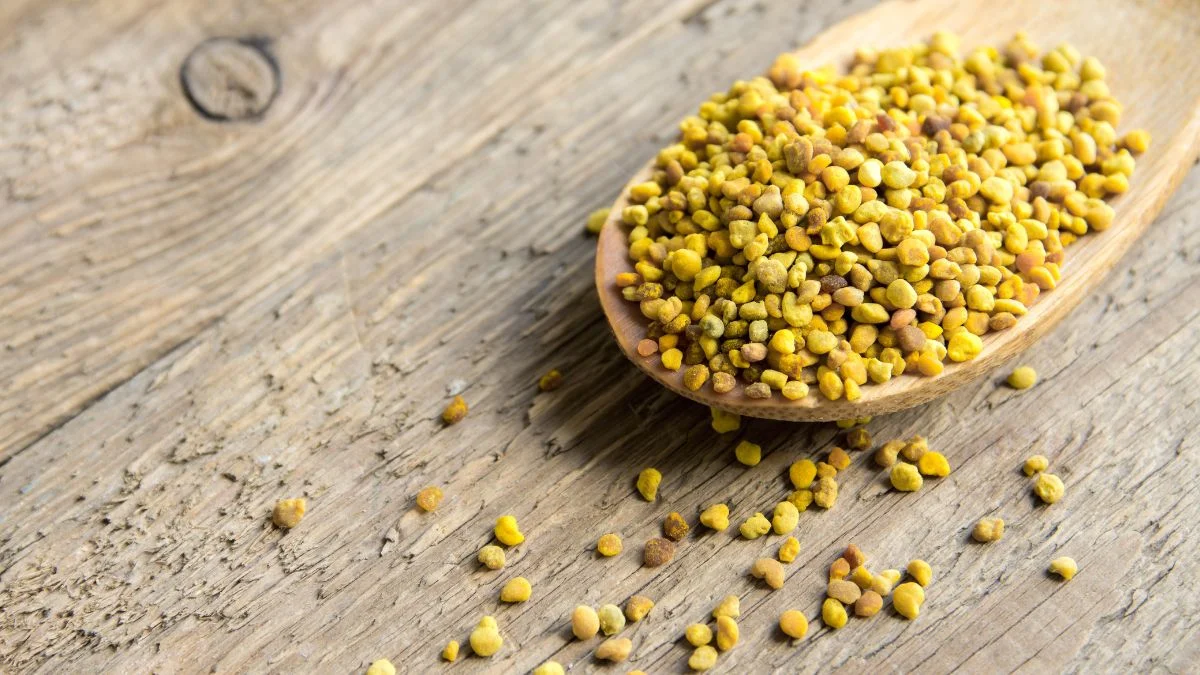
Pollen collected from hives also needs appropriate storage because moisture, temperature and oxygen can affect its quality.

Does Bee Pollen Expire? →

Woman reading beekeepertips book

Keep the Focus on Practicality

The best beekeeping setup is one you can maintain confidently and consistently.

Equipment should suit:

  • your bees;
  • your body;
  • your climate;
  • your budget;
  • your available storage;
  • the number of colonies you manage;
  • your goals.

More expensive does not automatically mean better.

More complicated does not automatically mean more effective.

Wherever possible, choose equipment that is standardised, easy to replace, easy to clean and easy to use.

If you are still starting out, work through our Beginner Beekeeping Guide before buying specialist equipment.

Beekeeping Equipment Goal

Be able to choose suitable hive systems, avoid unnecessary equipment, understand core hive components and harvest honey with confidence.

Useful equipment matters.
Healthy bees matter more.

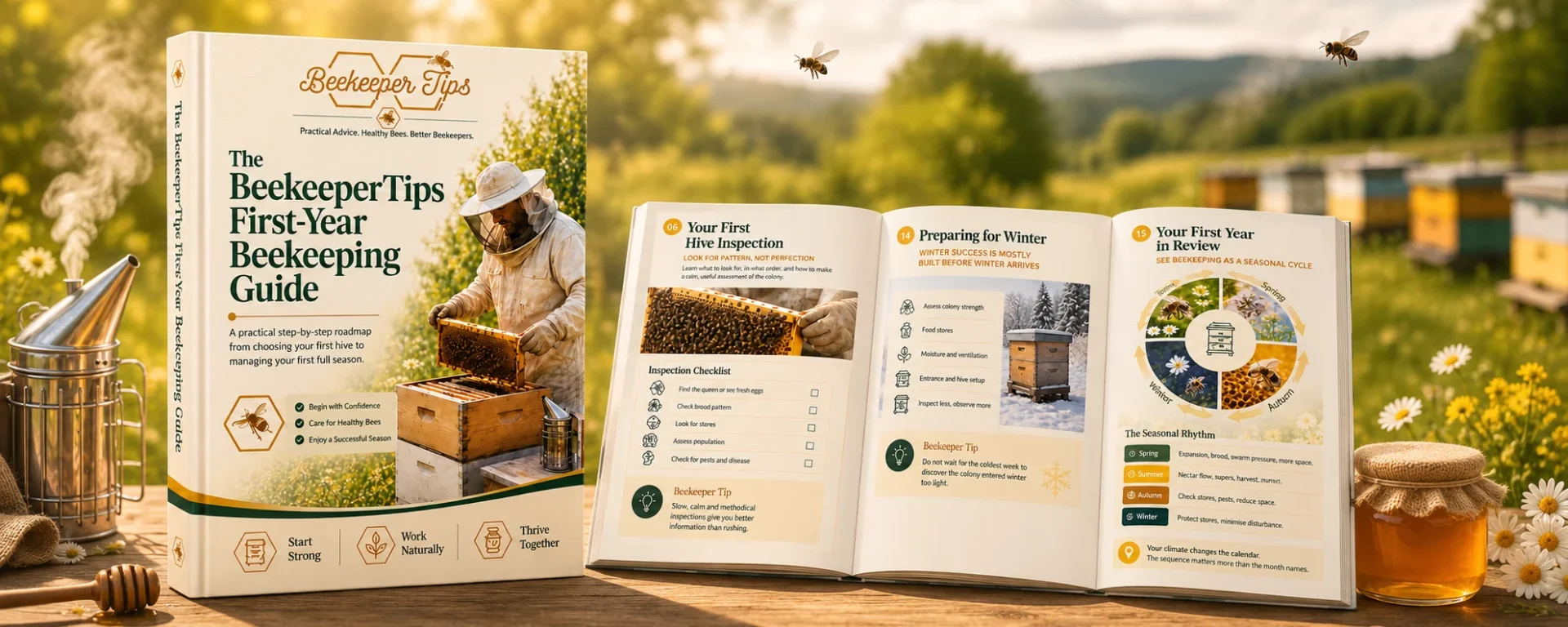
Beekeepertips Beginners Guide to Beekeeping on a table

New to Beekeeping?

Get our free First-Year Beekeeping Guide with seasonal tasks, beginner checklists and a printable hive inspection report.

Frequently Asked Questions

There is no single best hive for every beekeeper. Langstroth hives are widely used because components are standardised and easy to obtain, while Flow Hives, Warré hives and other systems may suit different priorities. Choose a hive you can comfortably inspect, maintain and source replacement parts for.

Most beekeepers need a hive, suitable frames, protective clothing, a smoker and a hive tool. Feeders, additional boxes, extraction equipment and specialist tools can be added when there is a genuine reason to use them.

Both systems can work. Wax foundation provides bees with a natural wax surface, while plastic foundation is durable and easy to handle. Foundationless frames are another option. Your hive system, management style and local availability should guide the decision.

Add space when the colony is strong enough to use it. Brood boxes and honey supers should not be added simply according to a calendar. Look at colony population, brood expansion, nectar flow and how much existing comb is being used.

No. Small-scale beekeepers can harvest honey using crush-and-strain methods. An extractor becomes increasingly useful when you want to process more frames while preserving the drawn comb for reuse by the colony.

Honey should generally be harvested once it is ripe and the colony has produced a genuine surplus beyond its own needs. Capping, moisture levels, weather, forage and the amount of honey the bees need for winter or dearth periods all matter.

Beeswax can be separated from honey, cleaned and reused for candles, wax products, foundation and many other purposes. Melt wax cautiously because it is flammable.

Not necessarily. Reliability, standard dimensions, availability of replacement parts and ease of use are generally more important than price or complexity. Good equipment should make managing bees easier rather than becoming another problem to manage.

Beekeeping Equipment Most Popular Articles

An overview of the Flow HIve 2+ from Australian Built Beekeepers Flow Hive

Is the Flow Hive Worth It? Pros, Cons & What Beginners Should Know

The Flow Hive is worth considering if you want to make honey harvesting cleaner, easier and less physically demanding, and you are comfortable paying considerably more than you would for a conventional Langstroth setup. It solves the extraction part of beekeeping very well, but it does not remove the need ...
nucleus box

Buying Honey Bees: Packages vs Nucs for Beginners

Compare package bees and nucleus colonies, what they cost in 2026, where to buy them, what to ask the breeder and how to install each safely ...
How Much Honey Per Frame

How Much Honey Per Frame?

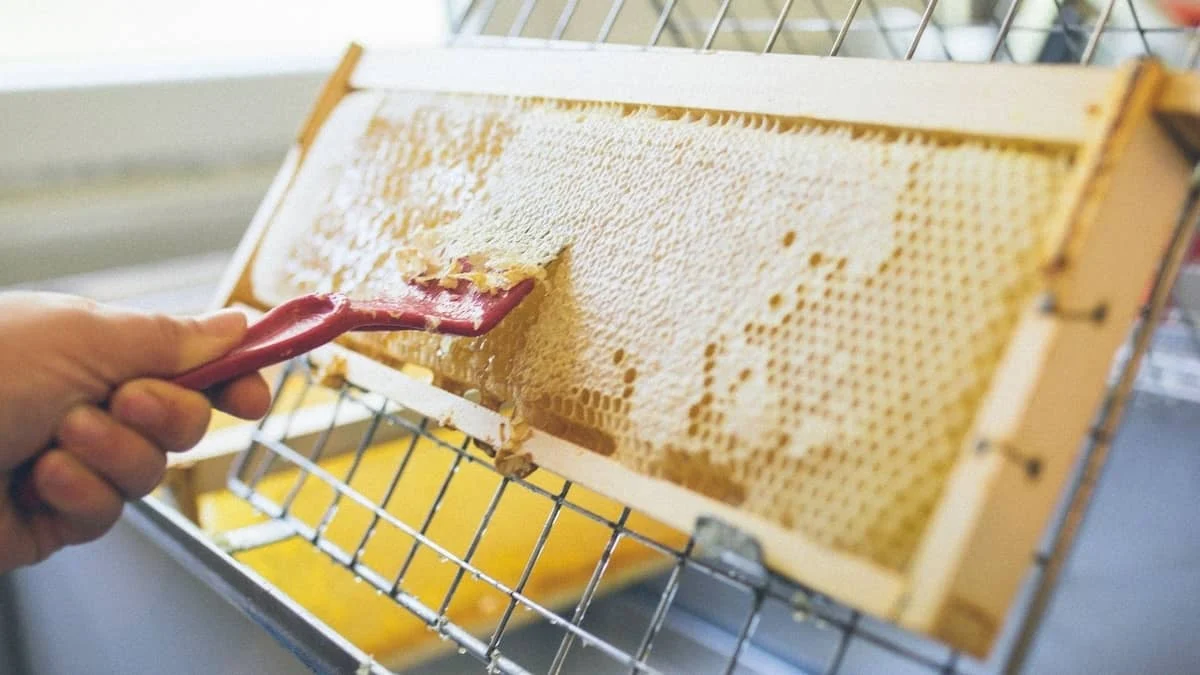
A full deep Langstroth frame can approach 10 lb, while shallow frames hold much less. Learn realistic planning ranges and what changes frame weight ...
Bee Feeder Types

The 7 Best Bee Feeder Types Available to Beekeepers

In this article, we will take a look at bee feeder types. There is no best bee feeder - but there is a bee feeder which is best for you. Let us have a look at the options and how we can either buy or make a bee feeder. If ...
How Much Do Honey Bees Cost

Want Bees? Here’s How to Get Them for Free or Cheap

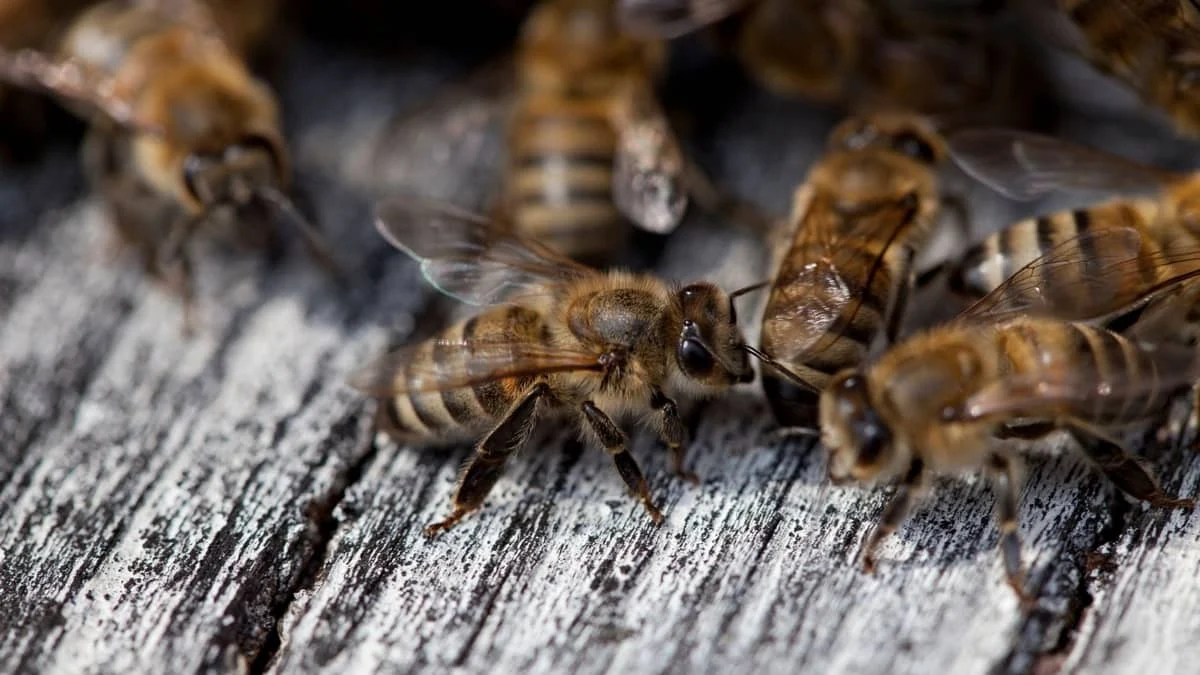
How much do honey bees cost? There is no accurate answer to this question - the range is from free to a few thousand dollars a swarm. In this article, we will explore how to get bees for free, how to get paid to get bees, and finally how to ...
Does Bee Pollen Expire

Does Bee Pollen Expire? Storage and Safety Guide

Bee pollen does expire. Learn how freezing, drying, moisture and oxygen affect shelf life, how to spot deterioration and when pollen should be discarded ...
How Long Does It Take Bees To Make A Hive

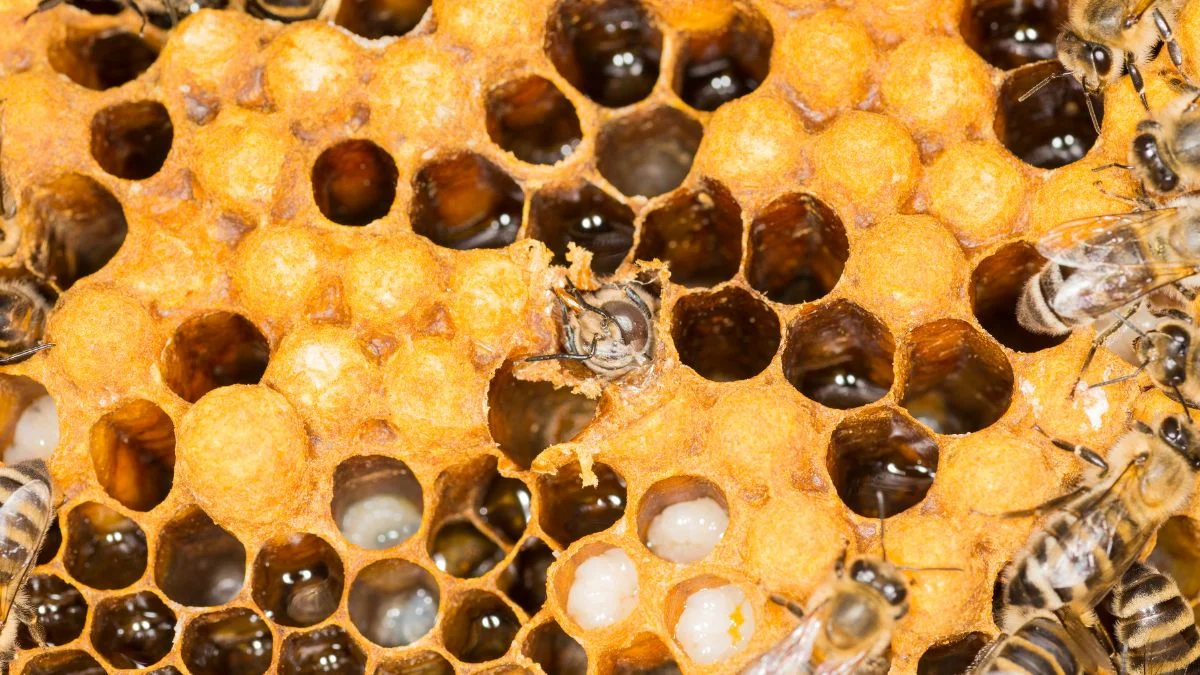
How Long Does It Take Bees to Make a Hive?

A strong new colony can draw substantial comb in weeks, but full establishment may take months. Learn what controls the speed and how to support healthy growth ...
When Not To Open A Beehive

When Not To Open A Beehive? – Tips To Avoid Catastrophes

When not to open a beehive? Well, this will depend on what your skill levels are, the season, the state the bees are in, and even what is flowering at the time. Let me explain, based on my experience and the conventional wisdom out there. If you are asking "When ...
Bees Left Behind After A Swarm

Bees Left Behind After a Swarm

Learn why bees can remain after a swarm, absconding event or hive move, what happens to displaced workers, and when drifting into another colony occurs ...

Ultra Bee Pollen Substitute: When and How to Use It

Ultra Bee can support brood rearing when natural pollen is scarce. Learn its current protein content, when feeding helps, and the risks of unnecessary patties ...
When Is Honey Harvested

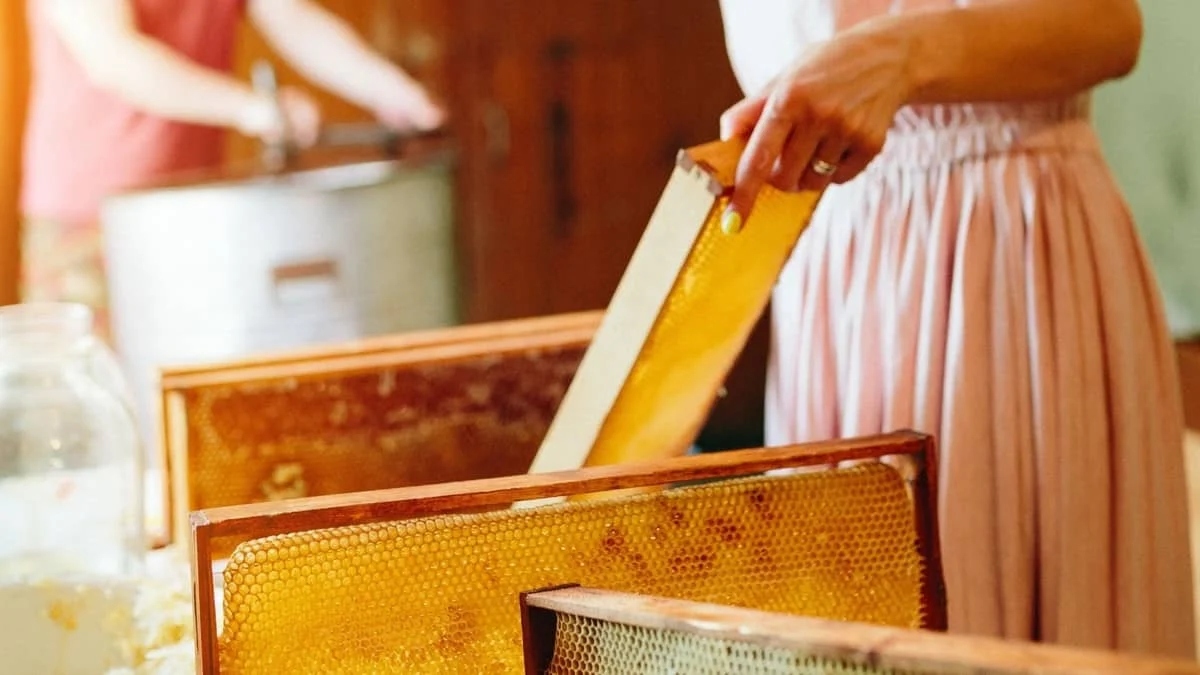
When Is Honey Harvested?

Harvest honey when the colony has produced ripe surplus beyond its own needs. Learn how capping, moisture, forage, weather and winter stores affect timing ...
How Many Brood Boxes Should A Hive Have

How Many Brood Boxes Should A Hive Have?

How many brood boxes should a hive have? How many rooms should your house have? Bees much like humans are influenced by their environment, and the environment you are in determines the resources available to you. This in turn influences what you can or can not do. In the article, ...
Scroll to Top