HIVE MANAGEMENT & BEE HEALTH

Manage Your Hive to Keep Your Bees Healthy

Good beekeeping is mostly about noticing what is happening inside the colony and responding at the right time. This guide brings together the practical skills needed to inspect hives, manage space and food, prepare for seasonal changes and recognise common health problems before they become serious.

Inspect with Purpose

Manage the colony through the seasons

Recognise health problems early

Printable checklist, inspection report & seasonal guidance

HIVE MANAGEMENT & BEE HEALTH

Manage Your Hive for Healthy Bees

Good beekeeping is mostly about noticing what is happening inside the colony and responding at the right time. This guide brings together the practical skills needed to inspect hives, manage space and food, prepare for seasonal changes and recognise common health problems before they become serious.

Printable checklist, inspection report & seasonal guidance

Hive Management & Bee Health Roadmap

1.

Learn what a healthy hive looks like

2.

Inspect the colony regularly

3.

Understand brood patterns

4.

Manage space as the colony grows

5.

Feed only when there is a reason

6.

Provide water and ventilation

7.

Watch for pests and disease

8.

Manage seasonal changes

9.

Prepare the colony for winter

10.

Respond early when something looks wrong

Management Principle:

Good hive management is less about following a rigid calendar and more about understanding what the bees need at that particular time.

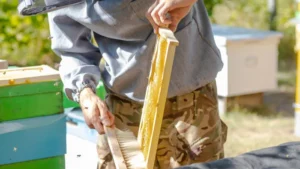
beekeeper demonstrating the inspection schedule for beehive frames

Learn What a Healthy Hive Looks Like

The easiest way to recognise a problem is to know what normal looks like.

A healthy hive should normally show a combination of active worker bees, organised brood, adequate food stores, appropriate space and signs that the colony is growing or maintaining itself appropriately for the season.

No single observation tells the whole story. The aim of an inspection is to build a picture of the colony rather than simply tick boxes.

What Does Capped Brood Look Like? →
What Does a Honey Bee Hive Look Like? →

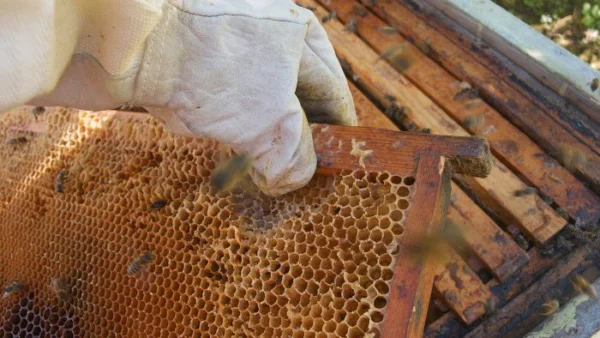
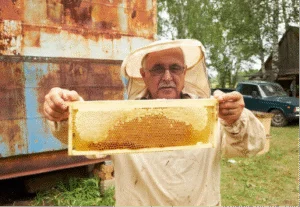
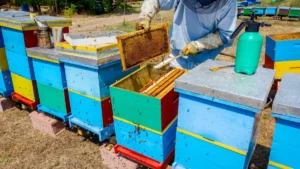
Beekeeper inspecting hive frames with honey

Inspect Your Hive With a Purpose

Hive inspections are most useful when you know what you are looking for before opening the lid.

Check whether the colony is queenright, whether brood looks normal, whether food stores are adequate, whether the bees have enough space and whether pests or disease are becoming a problem.

Opening a hive unnecessarily creates disturbance, so inspections should have a reason.

When Not to Open a Beehive →
How to Find the Queen Bee in a Hive →

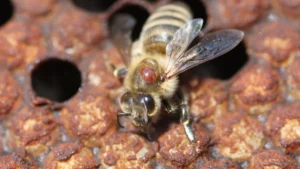
bee brood up close

Understand Brood and Colony Development

Brood gives you one of the clearest windows into colony health.

Eggs, larvae and capped brood can tell you whether the queen has been laying and whether the colony is developing normally. Scattered brood, excessive drone brood or an absence of young brood may justify a closer look.

Learning to read the brood nest makes many other hive-management decisions easier.

What Is Bee Brood? →
What Does Capped Brood Look Like? →
How Long Can a Hive Be Queenless? →

how much space do you need for a beehive

Give the Colony Enough Space

A growing colony needs room, but more space is not automatically better.

Too little room can contribute to congestion and swarming, while adding excessive empty space too early can make temperature regulation and hive defence more difficult.

Add boxes because the colony needs them rather than simply because a date has arrived.

When to Add a Second Brood Box →
When to Add Supers to Beehives →
How Many Brood Boxes Should a Hive Have? →

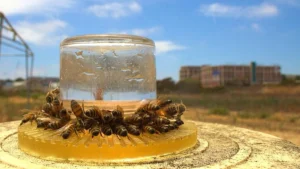
Bee Feeder Types

Feed Bees for a Reason

Feeding can be useful, but it should solve a specific problem.

Colonies may need support during establishment, poor weather, nectar shortages, periods of rapid growth or preparation for winter. Different situations also call for different feeds and feeder designs.

Feeding should support good colony management rather than replace forage or become an automatic routine.

Winter Bee Feeding Ideas →
How to Make a Candy Board for Bees →
Bee Feeder Types →

How to Ventilate a Beehive

Manage Water, Ventilation and Hive Conditions

Bees regulate temperature and humidity inside the hive remarkably well, but hive design and beekeeper decisions can either help or make that job harder.

During hot weather they need water and airflow. During cold weather, moisture control becomes particularly important.

The objective is not maximum ventilation. It is appropriate ventilation for the season and the colony.

How to Ventilate a Beehive →
How to Provide Water for Honey Bees →
Why Are Bees Clustering at the Hive Entrance? →

When Should I Treat My Bees For Mites

Recognise Pests Before They Take Over

A strong colony can cope with many pests that may overwhelm a weak one.

Common hive problems include wax moths, small hive beetles, mites, yellow jackets and other opportunistic pests. Correct identification matters because each problem needs a different response.

Pest management is therefore partly about controlling the pest and partly about maintaining colony strength.

Small Hive Beetle Larvae vs Wax Moth Larvae →
How to Get Rid of Wax Moths in Beehives →
When Should I Treat My Bees for Mites? →
Do Yellow Jackets Kill Honey Bees? →

Watch for Disease and Abnormal Brood

Many colony health problems are easier to manage when recognised early.

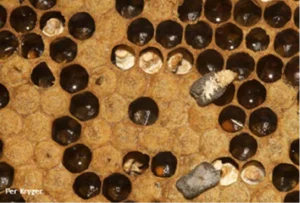
Pay attention to brood appearance, larval colour, unusual smells, chalky or mummified brood, abnormal cappings and sudden changes in colony strength.

A single symptom is rarely enough for diagnosis, so look at the whole colony before deciding what action to take.

Chalkbrood Treatment →
What Does Capped Brood Look Like? →
Small Hive Beetle Larvae vs Wax Moth Larvae →

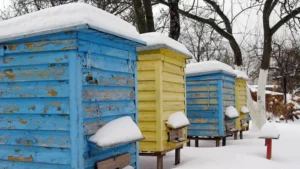
Home for bees in the winter, hive

Manage the Hive Through the Seasons

A colony’s needs change significantly through the year.

Spring often means expansion and swarm pressure. Summer may bring heat, ventilation and honey production. Autumn becomes a period of preparing stores and colony strength, while winter is about survival, moisture control and adequate food.

Your local climate matters more than an arbitrary calendar.

How Much Honey to Leave Bees for Winter →
Winter Bee Feeding Ideas →
Beehive Winter Covers →
When to Add Supers to Beehives →

Keep the Focus on the Colony

Good hive management is not about intervening constantly.

It is about knowing when intervention is necessary.

Before changing something, ask:

  • What am I seeing?
  • Is this actually abnormal?
  • What is causing it?
  • Does the colony need help?
  • What is the smallest useful intervention?

The bees already know how to run a colony.

The beekeeper’s job is to support them without creating unnecessary problems.

Beekeepertips Beginners Guide to Beekeeping on a table

New to Beekeeping?

Get our free First-Year Beekeeping Guide with seasonal tasks, beginner checklists and a printable hive inspection report.

Frequently Asked Questions

There is no single inspection interval that suits every colony. Inspection frequency depends on the season, colony strength, swarm risk, weather and what you are trying to monitor. During periods of rapid spring growth, colonies usually need closer observation than they do during quiet winter conditions.

Look for signs of a laying queen, normal brood, adequate food stores, sufficient space, pest or disease problems and anything substantially different from the previous inspection.

A healthy colony normally has an appropriate population for the season, organised brood, adequate stores and normal activity. No single sign proves a hive is healthy, so assess the colony as a whole.

Add space when the colony is actively using most of the existing brood area and has the population to expand. Do not add boxes simply because a particular date has arrived.

Feed when there is a specific need, such as insufficient stores, establishment of a new colony, prolonged poor forage conditions or preparation for a food shortage.

Yes, but bees already regulate much of the hive environment themselves. The aim is controlled airflow that helps manage heat and moisture without creating excessive drafts.

Common problems include mites, wax moths, small hive beetles, yellow jackets and ants. The important pests vary by location, so identification should come before treatment.

Make sure the colony is strong enough, has adequate stores, is protected from excessive moisture and weather, and that pest problems are under control before winter conditions arrive.

Not automatically. Treatment should depend on the pest, the level of infestation, colony condition and locally appropriate management guidance.

Learning what normal colony behaviour and brood look like. Once you understand normal conditions, unusual changes become much easier to recognise.

Bee Hive Management & Colony Health Most Popular Articles

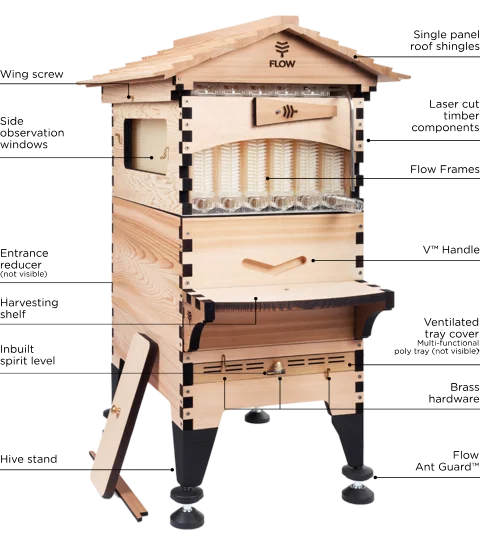
An overview of the Flow HIve 2+ from Australian Built Beekeepers Flow Hive

Is the Flow Hive Worth It? Pros, Cons & What Beginners Should Know

The Flow Hive is worth considering if you want to make honey harvesting cleaner, easier and less physically demanding, and you are comfortable paying considerably more than you would for a conventional Langstroth setup. It solves the extraction part of beekeeping very well, but it does not remove the need ...
nucleus box

Buying Honey Bees: Packages vs Nucs for Beginners

Compare package bees and nucleus colonies, what they cost in 2026, where to buy them, what to ask the breeder and how to install each safely ...
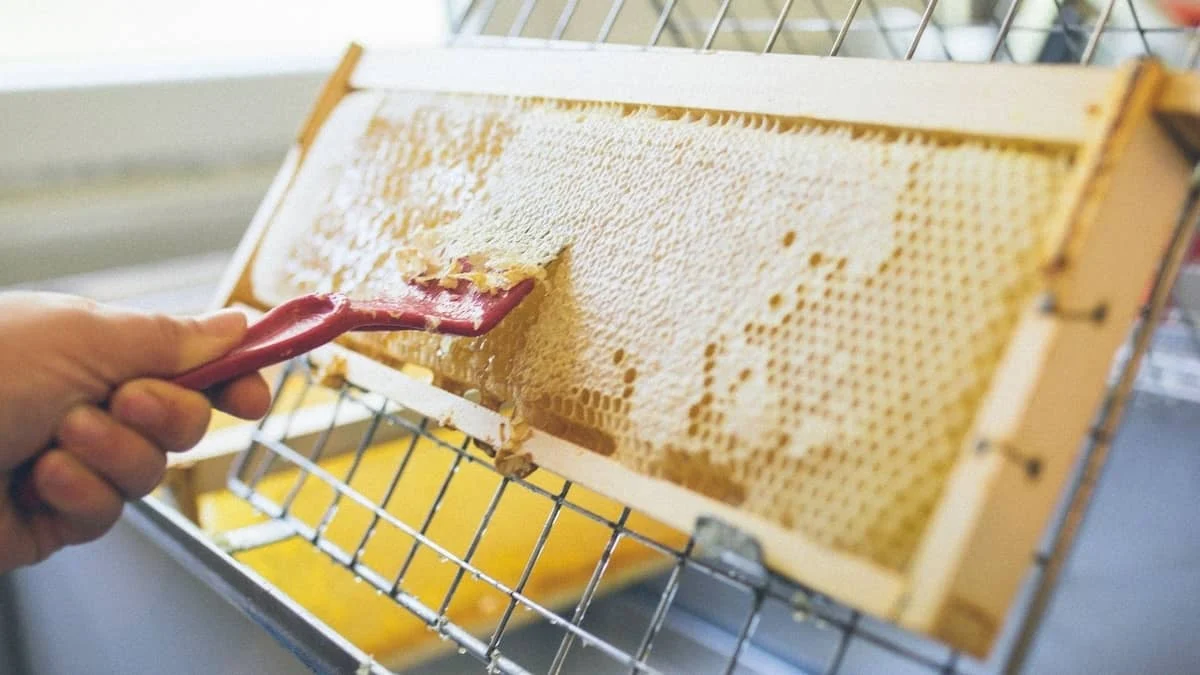
How Much Honey Per Frame

How Much Honey Per Frame?

A full deep Langstroth frame can approach 10 lb, while shallow frames hold much less. Learn realistic planning ranges and what changes frame weight ...
Bee Feeder Types

The 7 Best Bee Feeder Types Available to Beekeepers

In this article, we will take a look at bee feeder types. There is no best bee feeder - but there is a bee feeder which is best for you. Let us have a look at the options and how we can either buy or make a bee feeder. If ...
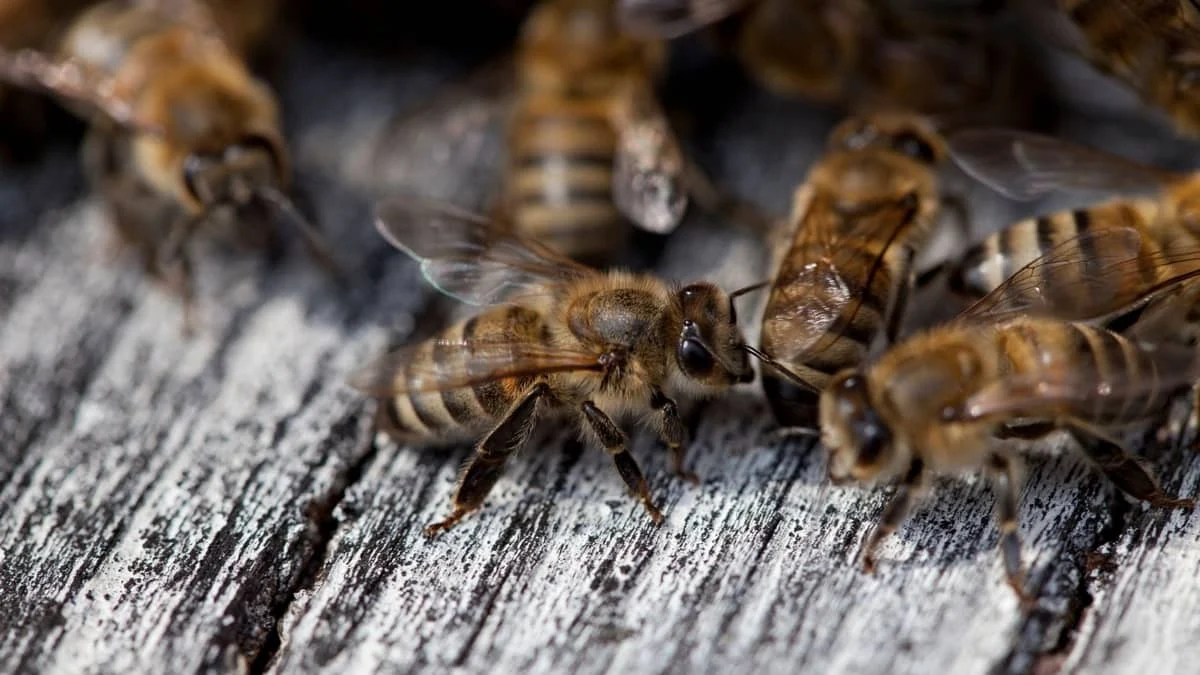
How Much Do Honey Bees Cost

Want Bees? Here’s How to Get Them for Free or Cheap

How much do honey bees cost? There is no accurate answer to this question - the range is from free to a few thousand dollars a swarm. In this article, we will explore how to get bees for free, how to get paid to get bees, and finally how to ...
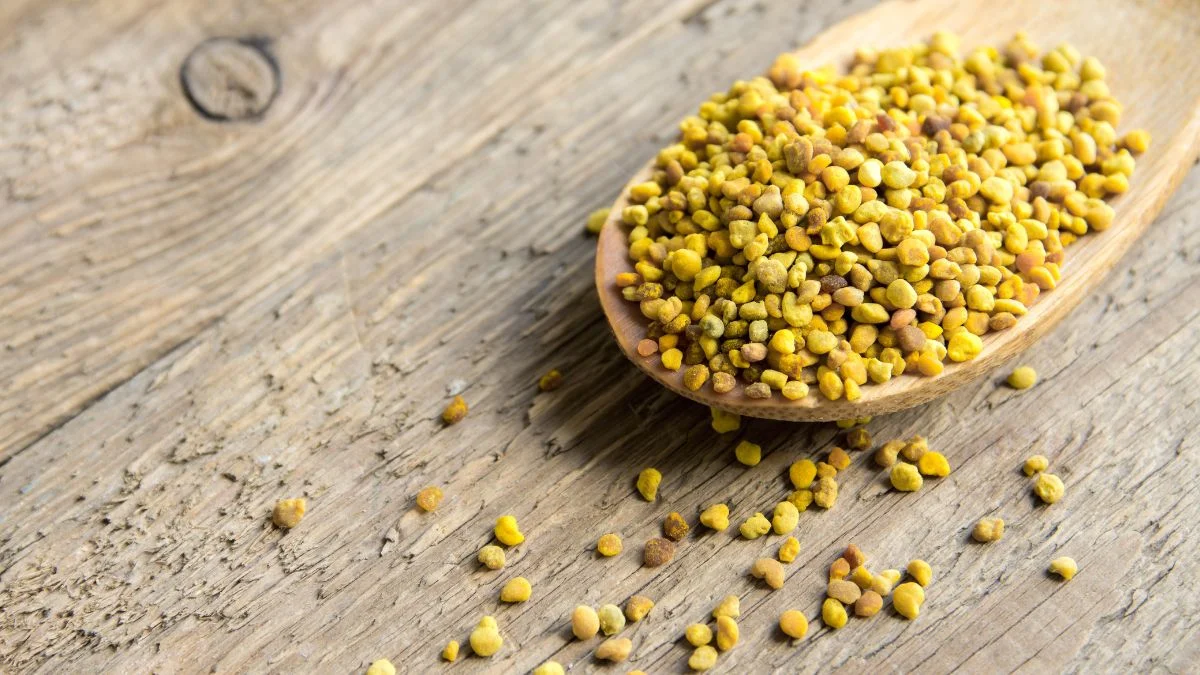
Does Bee Pollen Expire

Does Bee Pollen Expire? Storage and Safety Guide

Bee pollen does expire. Learn how freezing, drying, moisture and oxygen affect shelf life, how to spot deterioration and when pollen should be discarded ...
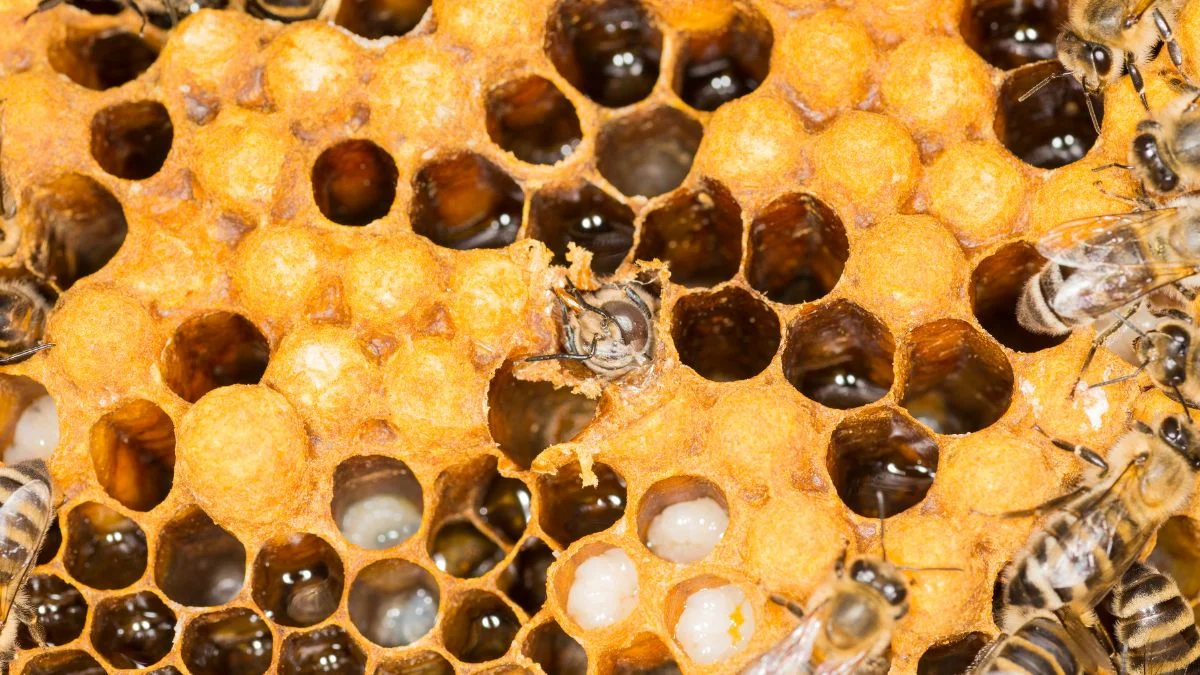
How Long Does It Take Bees To Make A Hive

How Long Does It Take Bees to Make a Hive?

A strong new colony can draw substantial comb in weeks, but full establishment may take months. Learn what controls the speed and how to support healthy growth ...
When Not To Open A Beehive

When Not To Open A Beehive? – Tips To Avoid Catastrophes

When not to open a beehive? Well, this will depend on what your skill levels are, the season, the state the bees are in, and even what is flowering at the time. Let me explain, based on my experience and the conventional wisdom out there. If you are asking "When ...
Bees Left Behind After A Swarm

Bees Left Behind After a Swarm

Learn why bees can remain after a swarm, absconding event or hive move, what happens to displaced workers, and when drifting into another colony occurs ...

Ultra Bee Pollen Substitute: When and How to Use It

Ultra Bee can support brood rearing when natural pollen is scarce. Learn its current protein content, when feeding helps, and the risks of unnecessary patties ...
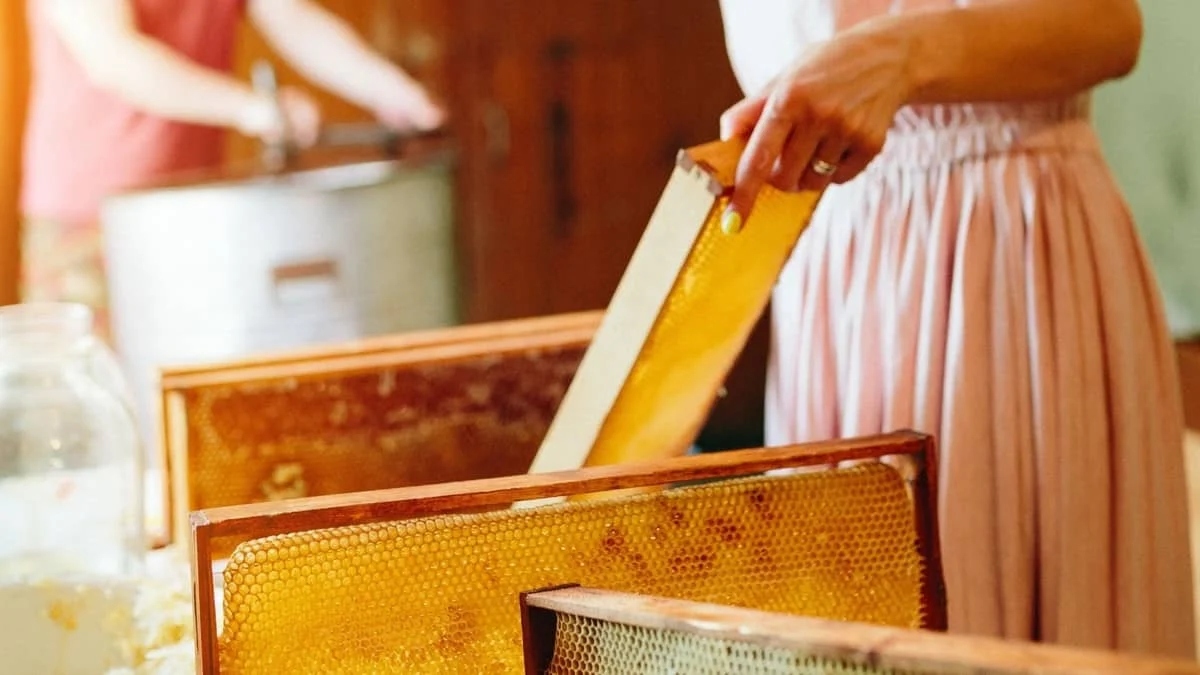
When Is Honey Harvested

When Is Honey Harvested?

Harvest honey when the colony has produced ripe surplus beyond its own needs. Learn how capping, moisture, forage, weather and winter stores affect timing ...
How Many Brood Boxes Should A Hive Have

How Many Brood Boxes Should A Hive Have?

How many brood boxes should a hive have? How many rooms should your house have? Bees much like humans are influenced by their environment, and the environment you are in determines the resources available to you. This in turn influences what you can or can not do. In the article, ...
Scroll to Top