How much does a queen bee cost? In 2026, a practical U.S. retail range for a standard mated queen is about $35 to $65 before shipping. Current breeder listings span that range, with price affected by genetics, marking, breeder reputation, season, availability and whether the queen is shipped or collected locally. Queen selection and replacement sit within our broader Queen Bees & Swarming guide.
Virgin queens can cost less because they have not yet completed mating flights or proved themselves as laying queens. Special breeder queens, instrumentally inseminated queens or tightly selected genetic lines can cost considerably more. So the useful answer is not “a queen costs X dollars”; it is “what type of queen are you buying, and what problem are you trying to solve?”
TL;DR: Expect roughly $35–65 for many standard mated queens in the U.S. in 2026, with virgin queens often cheaper and specialist breeder queens potentially much more expensive. A cheap queen that fails is expensive. A good queen that transforms a colony can be worth far more than the purchase price. A good queen, like a good mother, is priceless.
If you are still learning queen identification, brood patterns and colony management, the Beginner Beekeeping pillar is the best place to build those skills before you start buying queens simply because a hive looks unhappy.
What Does a Queen Bee Cost in 2026?
Current 2026 listings from U.S. queen producers show standard mated queens at around $35, $39, $40, $45 and $60 depending on breeder and stock. Other locally raised mated queens are listed around $65. That gives a useful current working range, although prices vary with breeder, stock, season and supply.
Price alone does not tell you queen quality. You may pay extra for a marked queen, selected stock, particular genetic background, breeder reputation, instrumental insemination or simply because supply is tight at that point in the season.
Availability is also seasonal. Good breeders can sell out, and live-queen shipping depends on weather, location and biosecurity rules. If timing matters, order before the colony reaches the point where you are desperately trying to find any queen that can arrive tomorrow.
Virgin Queen vs Mated Queen Cost
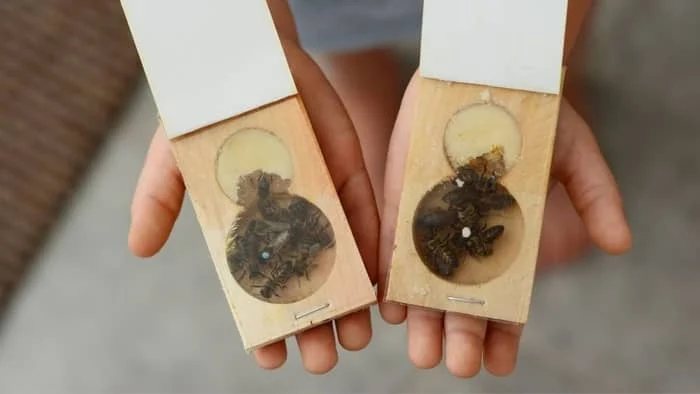
A virgin queen is usually cheaper because she still has to complete mating flights successfully. In 2026, some sellers are listing virgin queens around $20–25 while their mated queens cost much more. The lower purchase price comes with extra biological risk: weather can disrupt mating, drones may be scarce and the queen may fail to return or fail to develop into a useful layer.
A mated queen costs more because the producer has carried much of that risk already. She has completed mating and should have begun laying before sale. For most beginners replacing a failed queen, that extra certainty is often worth paying for.
What Are You Actually Paying For?
When you buy a queen, you are buying reproductive potential from a catalogue. That sounds clinical, but that is essentially what is happening. You are paying for a queen produced from selected stock, mated under particular conditions and handled well enough to arrive alive and ready to establish herself in another colony.
The queen herself contributes half of the nuclear DNA to each worker. The other half comes from one of the multiple drones she mated with. Because honey bee queens are highly polyandrous, a colony contains workers belonging to multiple paternal lines. That within-colony genetic diversity is one reason honey bee genetics are more interesting than simply saying “this is an Italian hive” or “this is a Carniolan hive.”
Drones produced from unfertilised eggs are haploid, meaning each drone receives a recombined set of the queen’s genes rather than being a clone or one of only two genetic types.
How to Buy a Queen Bee
Buy from a breeder who can tell you what you are getting. Useful questions include whether the queen is virgin or mated, whether she is marked, what stock or selection program she comes from, when she was produced, how she is shipped and what live-arrival or replacement policy applies.
I would also pay attention to the breeder’s objectives. Some operations select heavily for production, temperament, overwintering, Varroa-sensitive hygiene or other traits. Others are supplying broadly useful commercial stock. The label matters less than whether the breeder has a sensible selection program and can explain it.
What About Queen Banking?
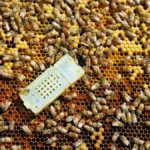
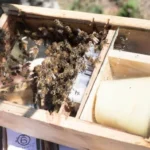
Queen breeders sometimes store multiple caged queens in a queenless colony or specialised bank so workers can feed and maintain them until sale or use. Our guide to how long a queen bee can live in a cage covers shipping, introduction and queen banking in more detail. Queen banking is a real and useful production technique, and its success depends on how the queens are housed, fed and managed during storage.
Research shows that banking conditions can affect queen survival and physiology, particularly when queens are stored for long periods or under poor conditions. Recent studies have found differences in queen weight, ovary condition, stress responses and survival depending on how queens are banked, while other work shows well-managed banked queens can later perform comparably to newly mated queens.
For the buyer, the sensible question is not whether a queen has ever been banked. It is whether the producer handles, stores and ships queens well.
How to Replace a Queen Safely
First, make sure the colony really needs a queen. If you need help locating her, use the guide on how to find the queen bee in a hive. If the colony is being divided, splitting the hive changes the introduction plan as well.
If you are replacing an existing queen, remove the old queen and give the colony some queenless time before installing the new queen in her cage. Current extension guidance for slow-release introductions commonly allows roughly 30 minutes to 24 hours of queenlessness before the cage is installed.
Place the cage where young workers can contact and feed the queen, usually around the brood area, and follow the supplier’s candy-release instructions. Do not assume acceptance is guaranteed. A colony that still has its old queen, an unnoticed virgin queen or viable queen cells may reject the queen you just paid good money for.
If you are dealing with an unexpectedly queenless hive, the full article on how long a hive can be queenless explains when the situation becomes more difficult.
Commercial Queens vs Backyard Breeding
Commercial beekeeping needs consistency. Large operators generally cannot manage thousands of colonies as separate genetic art projects. They need bees that are reasonably predictable in temperament, productivity, seasonal build-up and management response.
Backyard beekeeping gives us more freedom to experiment. I still like the idea that small-scale beekeepers can maintain useful genetic variation and identify colonies that perform particularly well under local conditions. That is worth doing.
Where I would tighten my old advice is the suggestion that simply buying Italian, Carniolan and Russian queens and letting everything mix automatically creates superior locally adapted bees. It creates admixture and variation, certainly. Local adaptation only emerges if the environment and beekeeper then select useful traits over generations.
Genetic diversity gives selection something to work with. It is not a substitute for selection.
Can Backyard Beekeepers Contribute Useful Genetics?
Absolutely. If you have a colony that repeatedly performs unusually well, keep records. Look at survival, temperament, honey production, swarming, brood pattern and whatever pest-resistance traits you can actually measure. One good year does not make a breeding line, but repeated performance gets interesting.
If you eventually have genuinely unusual locally adapted stock, talking to an experienced queen breeder or breeding group can be worthwhile. The useful contribution is not “my bees seem awesome”; it is a colony with a documented performance history and traits worth evaluating.
Genetics are a gift — we inherit them from previous generations and we build on them. Diversity gives us possibilities, while excessive inbreeding can reduce fitness. But diversity by itself is not a magic shield against disease, poor management or unsuitable local conditions.
So Is an Expensive Queen Worth It?
Sometimes. If you need a colony queenright quickly, a reliable mated queen can save weeks of uncertainty. If you are deliberately breeding for a particular trait, a more expensive selected queen may be a sensible investment. If you are buying a fancy genetic label without any plan to evaluate the result, the extra money may achieve very little.
That is why I still come back to the same conclusion: a good queen is worth far more than the cage she arrives in. If she produces a healthy, manageable and productive colony, the difference between paying $40 and $60 becomes fairly trivial.
A good queen, like a good mother, is priceless, however. If anybody ever calls one of my queen bees a ho, I will knock their teeth out.
If you want to understand where she goes when she is not in the brood nest, read when and why queen bees leave the hive.
Frequently Asked Questions
How much does a queen bee cost in 2026?
For a standard mated queen in the United States, a practical 2026 retail range is about $35 to $65 before shipping. Current breeder examples include queens around $35, $39, $40, $45, $60 and $65, depending on supplier, stock, marking and pickup or shipping arrangements.
Are virgin queen bees cheaper than mated queens?
Usually, yes. A virgin queen has not yet completed mating flights or proven that she can establish a good laying pattern, so the buyer takes on more risk. Some 2026 sellers list virgin queens around $20 to $25 while mated queens from the same or similar markets cost considerably more.
Is an expensive queen automatically better?
No. Price can reflect genetics, breeder selection, marking, instrumental insemination, shipping, scarcity or reputation, but the queen still has to perform in your colony and your local conditions. Brood pattern, temperament, survival and colony performance matter more than price alone.
How long should a hive be queenless before introducing a new queen?
Common slow-release practice is to let the colony remain queenless for roughly 30 minutes to 24 hours before installing the caged replacement queen. Acceptance is never guaranteed, so follow the breeder’s introduction instructions and confirm the old queen and competing queen cells are not undermining the introduction.
Should beginner beekeepers buy queens or raise their own?
Buying a good mated queen is often the simplest option when you need predictable timing. Raising your own queens becomes more useful once you can confidently assess colony health, queen quality, brood, queen cells, drones and local mating conditions.
Why does honey bee genetic diversity matter?
Honey bee queens mate with multiple drones, creating several paternal lines of workers within one colony. Genetic diversity can influence colony-level traits, but simply mixing named bee strains does not guarantee better local adaptation or disease resistance. Useful breeding requires selection over time.

Dr Garth A. Cambray is a beekeeper, biotechnologist and researcher with nearly three decades of practical beekeeping experience. He holds a PhD in Biotechnology from Rhodes University and has worked extensively in honey production, fermentation biotechnology and value-added bee products. View Dr. Garth Cambray’s credentials, research and experience.
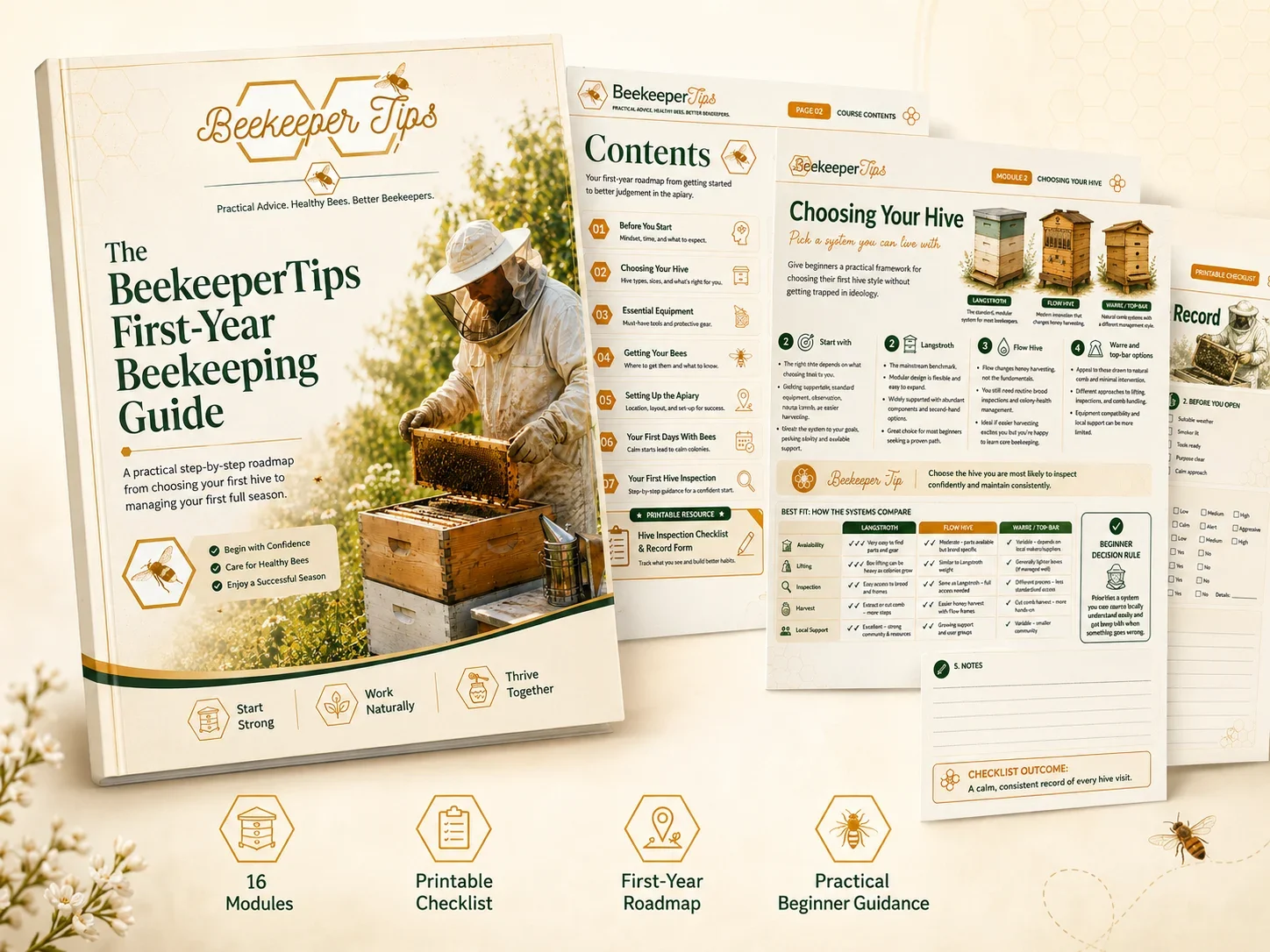
Ready to Start Beekeeping?
Take the next step with our free beginner beekeeping guide. Learn what equipment you need, how to set up your first hive and what to expect during your first season.