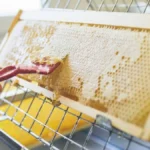
When is honey harvested? The practical answer is: when the bees have produced a genuine surplus and the honey is ripe enough to store safely. That may be once a year, several times during a strong nectar flow, or not at all if the colony needs everything it has produced. This topic is also covered in our Beehives, Equipment & Honey guide.
TL;DR: Harvest surplus honey when supers are largely full of ripe honey, while leaving enough stores for the colony. Mostly capped comb is a useful sign of ripeness, but moisture matters too. During a major flow, strong colonies may refill supers quickly enough to justify weekly checks. The calendar is secondary to forage, weather, colony strength and local winter requirements.
If you are still learning how honey production fits into the rest of colony management, the Beginner Beekeeping guide provides the wider seasonal picture.
When Is Honey Harvested?
Bees are not like cows, where you milk them at fixed times according to a schedule. Honey production follows flowers, weather and colony strength. The useful question is not “What month do I harvest?” but “Has this colony produced ripe honey that it can spare?”
In a strong nectar flow, a productive colony can fill supers surprisingly quickly. In a poor season, the same hive may barely cover its own needs. That is why good beekeeping decisions start with what is happening in the colony and landscape rather than the date on the calendar.
What Controls How Quickly Bees Make Surplus Honey?
Foraging Time
The amount of useful foraging time matters, but daylight alone does not determine it. Honey bee foragers have strong circadian rhythms and do not simply work continuously because the sun remains above the horizon.
Long summer days can still be very productive when they coincide with good nectar secretion and suitable temperatures. The extra daylight gives the colony a larger potential working window, but the flowers, weather and bees still set the actual schedule.
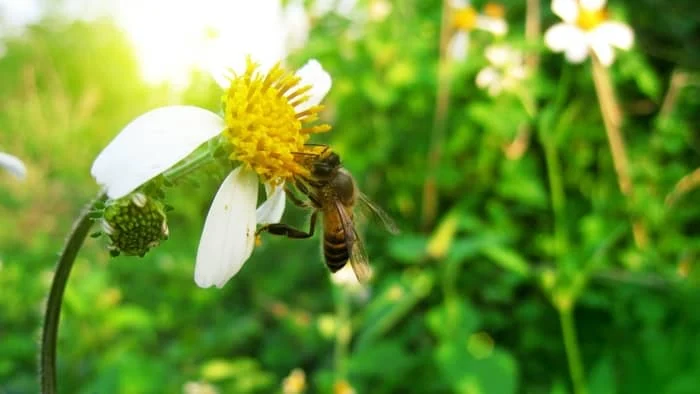
Foraging Temperature and Weather
Honey bees tend to forage more as conditions become warm and suitable, but there is no single hard temperature below which every colony stops flying. Wind, sunlight, bee stock, food availability and local acclimatisation all influence flight activity.
Cold, wet or windy weather can shorten the working day even when flowers are abundant. Conversely, a warm settled period during a major bloom can create the sort of nectar flow where supers fill very quickly.
Worker Population
You can have ideal weather and excellent flowers but still produce very little honey if the colony does not have enough workers. Honey production depends heavily on having a large foraging population ready when the main nectar flow arrives.
That means spring management, queen performance, disease control and nutrition all affect the eventual crop. When supplemental feeding is genuinely needed, sugar syrup or a candy board can help a colony through a shortage, but feeding is a management tool rather than a substitute for forage.
Forage — Flowers
You can have a huge beehive, perfect flying weather and long days, but if there are no nectar-producing flowers, your bees will not make a honey crop.
Bees are most efficient when rich forage is close to the hive. Buckwheat is one example of a crop that can produce a strong honey flow under the right conditions.
Some honey flows also occur at unexpected times. In South Africa and Australia, certain Eucalyptus species can flower in winter and produce useful nectar even though the daily foraging window is much shorter than it would be in midsummer.
Rainfall matters as well. Sometimes you get good rain, a burst of flowering and then a sudden dry period. The flowers may still be visible, but nectar secretion can fall sharply when plants are water-stressed.
How Do You Know Honey Is Ready to Harvest?
The best field sign is ripened honey that is largely capped. Bees reduce the water content of nectar before sealing the cells with wax, and capped comb usually indicates that the honey has reached a condition suitable for storage.
That does not mean every capped cell contains honey at one exact moisture percentage. Honey varies. If a meaningful proportion of the frame is uncapped, or if conditions have been very humid, a refractometer gives you a much better answer than guessing.
Moisture matters because wetter honey is more likely to ferment during storage. As a practical rule, the drier the honey within normal ranges, the more stable it is. Honey around 17% moisture is much safer from fermentation than honey around 19%, where yeast activity becomes a greater concern.
Harvest the Surplus, Not the Colony’s Food
Quite simply, honey is harvested when the bees have more than they need. How much that means depends on climate, colony size and the length of the coming dearth or winter.
There is no responsible universal number for every hive. Mississippi State University Extension uses roughly 60–70 lb of stores for overwintering in its conditions, while Utah State recommends around 80–100 lb. That difference is exactly why local wintering guidance is more useful than a generic figure from the internet.
Once the colony has enough reserve, the remaining ripe honey is the harvestable surplus.
How Often Should You Harvest During a Strong Flow?
During strong flows from crops and trees such as canola, buckwheat, sunflower, Eucalyptus and citrus, I like to keep a close eye on supers. A strong colony can occupy available storage space surprisingly quickly.
If supers are full of ripe honey, extracting them and returning empty drawn comb gives the bees room to keep storing nectar. During a particularly strong flow, weekly checks can make sense. Mississippi State likewise recommends adding more super space when a substantial proportion of the existing super is already full and being capped.
I have seen weeks where a hive produces 40 lb or more of surplus honey. Do not build a business plan around that sort of week, but when it happens, enjoy it.
For broader production expectations, see how much honey a beehive can produce.
What Time of Day Is Best for Harvesting Honey?
There is no single best hour. If conditions are good and you know your bees, honey can be removed at many times during the day.
Working while many foragers are away from the hive can mean fewer bees are present in the supers. On the other hand, I have sometimes preferred working closer to sunset where there were people or animals nearby because any disturbance had less daylight in which to develop into a neighbourhood problem.
That is a management choice, not a biological rule. Near sunset, more foragers may already be returning to the colony, so there can actually be more bees at home. Choose a time that suits your bees, weather, neighbours and experience.
The Sunflower Bees in Slovakia
When there is a strong honey flow on the go, you can sometimes find the bees get a bit tense and cranky. I have had this in Slovakia when working bees in sunflower fields there.
These bees were genetically some of the nicest bees on Earth. They normally would give you three weeks’ written notice of their intention to sting you. When they had been working long summer days in sunflower fields in heat and humidity, their sense of humour was stretched and they could sting a lot.
In a situation like that, I found harvesting closer to sunset useful because there was less remaining daylight for disturbed bees to bother people nearby. That was a practical decision for that apiary, not a universal recommendation that evening is always the calmest time to harvest.
Should You Leave Full Honey Supers on the Hive?
There is nothing inherently wrong with leaving ripe honey on a colony. Honey is the bees’ food and a useful reserve.
During a major flow, however, a full super is also occupied storage space. If the honey is genuinely surplus and ripe, extracting it and returning drawn comb can give the colony somewhere to put the next incoming nectar.
The longer surplus honey stays in an exposed apiary, the longer it is also exposed to practical risks. In some areas that includes bears, theft or storm damage. The decision is therefore a balance between protecting colony stores and keeping productive space available.
So, When Is Honey Harvested?
Harvest honey when there is ripe surplus: more stored honey than the colony needs, in comb that is ready to extract and store safely.
Some years that means several harvests. Some years it means one. Some years the bees keep everything.
When a real honey flow is running, manage space aggressively enough that the bees are not forced to slow down simply because every super is full. But never confuse surplus with winter food.
Time is honey. Honey is money. The trick is knowing which honey is actually yours.
Honey Harvest FAQs
When is honey ready to harvest?
Honey is ready when the colony has produced a genuine surplus and the comb is sufficiently ripened for storage. Mostly capped comb is a useful field sign, and a refractometer can be used when moisture is uncertain.
Does honey have to be fully capped before harvesting?
Not always, but mostly capped comb is the safer target. Uncapped nectar may still contain too much water. If a significant amount is uncapped, check the honey with a refractometer rather than assuming it is ready.
What moisture content is suitable for harvested honey?
Lower-moisture honey stores more reliably. Honey around 17 percent moisture is much less prone to fermentation, while honey at about 19 percent can ferment depending on its yeast count. Moisture should therefore be measured when ripeness is uncertain.
How often can honey be harvested?
During a strong nectar flow, supers can sometimes be filled quickly enough to justify checking and harvesting weekly. In slower conditions there may be only one harvest, or none at all if the colony does not produce a surplus.
Can honey be harvested at any time of year?
Yes, if local forage, weather and colony conditions produce ripe surplus honey. In temperate regions this is often concentrated in spring and summer, but some regions also have important autumn or winter flows.
How much honey should I leave for the bees?
Use local wintering guidance rather than one universal number. For example, Mississippi State recommends roughly 60 to 70 pounds for its conditions, while Utah State uses about 80 to 100 pounds. Climate and colony size matter.
What time of day is best for harvesting honey?
There is no universal best hour. Suitable weather, colony temperament and the people or animals around the apiary matter more. Harvesting while many foragers are out can reduce the number of bees in the hive, while evening work leaves less daylight if problems arise.
What happens if honey is left on the hive?
Nothing is automatically wrong with leaving ripe honey on the colony. It remains food and can be useful reserve. During a major flow, however, full supers can occupy storage space that could otherwise be returned as empty drawn comb.

Dr Garth A. Cambray is a beekeeper, biotechnologist and researcher with nearly three decades of practical beekeeping experience. He holds a PhD in Biotechnology from Rhodes University and has worked extensively in honey production, fermentation biotechnology and value-added bee products. View Dr. Garth Cambray’s credentials, research and experience.
Ready to Start Beekeeping?
Take the next step with our free beginner beekeeping guide. Learn what equipment you need, how to set up your first hive and what to expect during your first season.