
Queen Bees & Swarming

Queen Bees &
Bee Colony Behaviour

Explore the fascinating world of queen bees and bee colony behaviours. Learn how queens develop, mate and lay eggs, why colonies swarm, how to manage queenlessness and hive splits. Get the knowledge you need to keep your colonies healthy, productive and well managed.

Understand queen biology

Manage swarming and hive splits

Keep stronger, healthier colonies

Printable checklist, inspection report & seasonal guidance

Queen Bees & Swarming

Queen Bees & Bee Colony Behaviour

Queen bees sit at the centre of colony reproduction, but there is far more happening inside a hive than simply one queen laying eggs.

This guide brings together the key concepts behind queen development, mating, swarming, hive splits, queenlessness, queen replacement and colony reproduction so you can better understand what your bees are doing and make more confident management decisions.

Printable checklist, inspection report & seasonal guidance

The Queen Bees & Swarming Roadmap

1.

Understand queen bee biology

2.

Understand queen cell development

3.

Recognise swarm behaviour

4.

Manage Hive Splits

5.

Deal with queenlessness

6.

Raise and introduce queens

7.

Identify queen status

8.

Understand colony reproduction

9.

work with mating and nucs

10.

Keep healthy productive colonies

Queen Rearing Principle:

A healthy queen is important, but the real goal is a healthy, functioning colony.

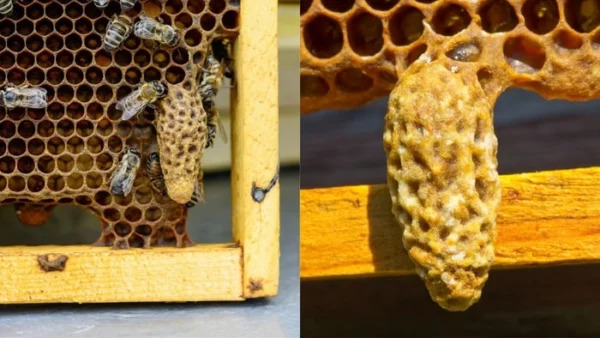
queen cell development

Queen Cell Stages

A new queen begins with an ordinary fertilised egg, but the way that larva is fed and housed changes its entire development.

Understanding queen-cell stages helps you judge whether a colony is preparing to swarm, replacing a failing queen or recovering after queen loss.

Queen Cell Stages →

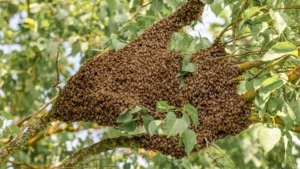
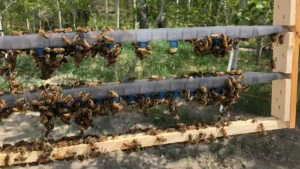
bee swarm

Understanding Swarming

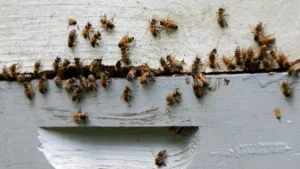
Swarming is the natural way a honey bee colony reproduces.

The old queen leaves with a large group of workers while the parent colony remains behind to raise or receive a replacement queen.

Understanding why and when bees swarm makes it much easier to manage colony growth without reacting too late.

What Time of Day Do Bees Swarm? →

Splitting a Hive to Prevent Swarming →

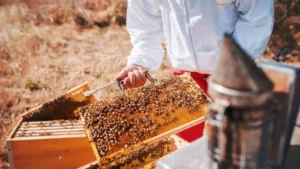
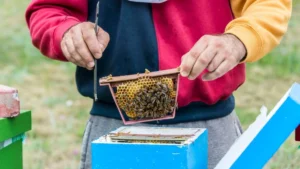
splitting beehives

Hive Splits and Queen Management

Splitting a strong colony can help reduce swarm pressure, create new colonies or form part of a planned queen-rearing program.

The key is making sure each new colony has enough bees, brood, stores and a clear pathway to becoming queen-right.

How to Split a Beehive Without a Queen →

How Many Splits Can Be Made From One Hive? →

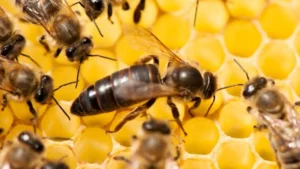
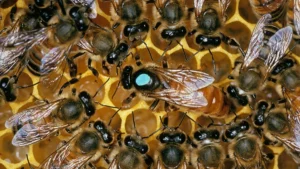
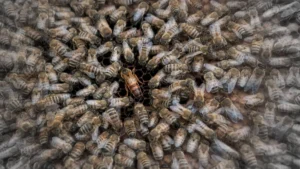
what does a queen bee look like

Finding and Identifying the Queen

Finding the queen is useful, but learning to read the brood nest is even more important.

Fresh eggs, young larvae and a normal brood pattern can often tell you that a queen is present even when you cannot physically see her.

How to Find the Queen Bee in a Hive →

Queen-Right Bees →

How Long Can A Hive Be Queenless

Queenless Colonies

A colony can survive without a laying queen for longer than many beginners expect.

Workers may raise an emergency queen if suitable young brood is available, but if the colony remains queenless for too long, laying workers and population decline can become serious problems.

How Long Can a Hive Be Queenless? →

Can Worker Bees Lay Eggs? →

grafting queen bees

Raising Honey Bee Queens

Queen rearing ranges from allowing colonies to raise natural cells through to deliberate grafting and controlled mating.

The process is not especially mysterious, but good timing, strong colonies and healthy mating conditions make a major difference to the quality of the resulting queens.

How to Raise Honey Bee Queens →

Queen Cup vs Queen Cell →

Queen Cell Stages →

How To Find The Queen Bee In A Hive

Queen Behaviour and Facts

Queen bees do more than lay eggs.

Young queens fly to mate, established queens can leave during swarming, and ageing or failing queens may be superseded by the colony.

Understanding these behaviours helps explain many of the changes beekeepers see inside the hive.

Do Queen Bees Fly? →

Do Queen Bees Leave the Hive? →

What Happens If You Kill a Queen Bee? →

2 Frame Mating Nuc Plans

Mating Nucs and Introducing Queens

New queens need time to mature, mate and establish a reliable laying pattern.

Mating nucs provide small colonies in which virgin queens can complete this process, while queen cages allow purchased queens to be introduced gradually into established colonies.

2-Frame Mating Nuc Plans →

How Long Can a Queen Bee Live in a Cage? →

How Much Does a Queen Bee Cost? →

Bees Left Behind After A Swarm

After the Swarm

A swarm does not normally empty the parent hive.

The old queen leaves with part of the worker population, while brood, stores, workers and developing queens remain behind.

A short brood break is normal while the replacement queen develops, mates and begins laying.

Bees Left Behind After a Swarm →

How Long Can a Hive Be Queenless? →

Queen Rearing Goal

Learn how to identify and manage queen bees and colony behaviour so that you can grow stronger, healthier and more productive hives.

Healthy Queens and a Stronger Colony makes a more successful Beekeeping Journey

Beekeepertips Beginners Guide to Beekeeping on a table

New to Beekeeping?

Get our free First-Year Beekeeping Guide with seasonal tasks, beginner checklists and a printable hive inspection report.

Frequently Asked Questions

You do not always need to see the queen herself. Fresh eggs, very young larvae and a normal brood pattern are usually enough to show that a laying queen has been present recently. If you are unsure, look carefully for queen cells, changes in brood pattern and signs of laying workers before deciding the hive is queenless.

A colony can remain without a laying queen for several weeks and still recover if it has suitable young brood or receives a replacement queen. The important factor is how long it takes to raise, mate and establish a new queen before the worker population begins to decline or laying workers develop.

A queen cup is a small cup-shaped structure that may remain empty and never develop further. Once an egg or larva is being raised as a queen and workers extend the structure, it becomes an active queen cell. The position, contents and stage of development can help indicate whether the colony is swarming, superseding a queen or responding to queen loss.

Swarming is the natural reproductive process of a honey bee colony. The old queen leaves with part of the worker population to establish a new colony, while the parent hive remains behind and raises or receives another queen. Strong population growth, congestion and suitable seasonal conditions can all contribute to swarm preparation.

A well-timed split can reduce swarm pressure by dividing the colony and giving the bees more space and another reproductive pathway. It is not a guaranteed solution, however. Timing, colony strength, queen cells and seasonal conditions all need to be considered before making a split.

If suitable eggs or very young larvae are present, workers can begin raising emergency queen cells. If the colony cannot produce a replacement queen or the new queen fails to mate successfully, the hive may remain queenless long enough for laying workers and population decline to become serious problems.

Yes. Worker bees can develop functioning ovaries when a colony remains queenless for long enough. Their eggs are normally unfertilised, which means they develop into drones rather than worker bees. A laying-worker colony usually shows a scattered brood pattern and multiple eggs in cells.

Yes. Virgin queens leave the hive for mating flights, and established queens may leave with a swarm when the colony reproduces. Outside those situations, a healthy laying queen normally spends most of her time in the brood nest.

A queen normally emerges about 16 days after the egg is laid. She then needs time to mature, complete one or more mating flights and begin laying. Depending on weather, mating conditions and colony circumstances, the full process from queen loss to a new laying queen can take several weeks.

Not automatically. A weak colony can result from poor forage, pests, disease, weather, low population, insufficient stores or management issues as well as queen problems. Confirm queen status and assess the whole colony before deciding to requeen.

Queen Rearing and Colony Most Popular Articles

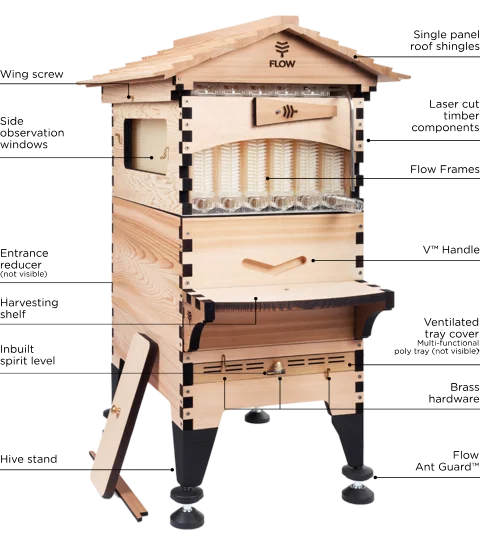
An overview of the Flow HIve 2+ from Australian Built Beekeepers Flow Hive

Is the Flow Hive Worth It? Pros, Cons & What Beginners Should Know

The Flow Hive is worth considering if you want to make honey harvesting cleaner, easier and less physically demanding, and you are comfortable paying considerably more than you would for a conventional Langstroth setup. It solves the extraction part of beekeeping very well, but it does not remove the need ...
nucleus box

Buying Honey Bees: Packages vs Nucs for Beginners

Compare package bees and nucleus colonies, what they cost in 2026, where to buy them, what to ask the breeder and how to install each safely ...
How Much Honey Per Frame

How Much Honey Per Frame?

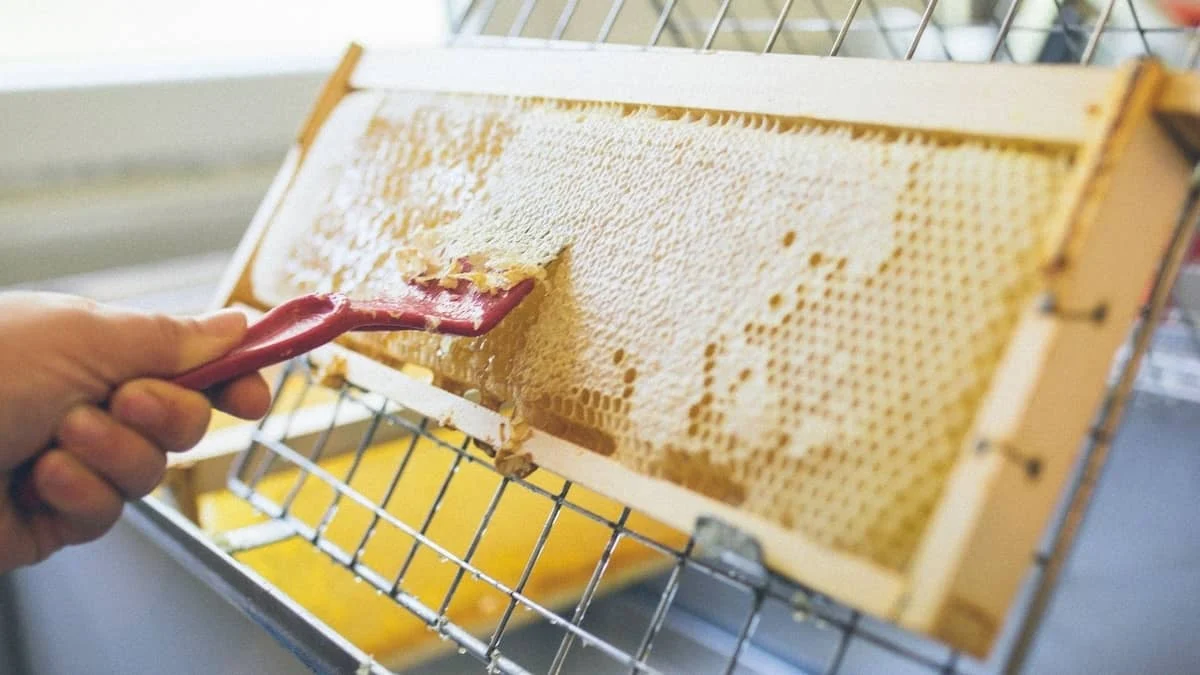
A full deep Langstroth frame can approach 10 lb, while shallow frames hold much less. Learn realistic planning ranges and what changes frame weight ...
Bee Feeder Types

The 7 Best Bee Feeder Types Available to Beekeepers

In this article, we will take a look at bee feeder types. There is no best bee feeder - but there is a bee feeder which is best for you. Let us have a look at the options and how we can either buy or make a bee feeder. If ...
How Much Do Honey Bees Cost

Want Bees? Here’s How to Get Them for Free or Cheap

How much do honey bees cost? There is no accurate answer to this question - the range is from free to a few thousand dollars a swarm. In this article, we will explore how to get bees for free, how to get paid to get bees, and finally how to ...

Does Bee Pollen Expire

Does Bee Pollen Expire? Storage and Safety Guide

Bee pollen does expire. Learn how freezing, drying, moisture and oxygen affect shelf life, how to spot deterioration and when pollen should be discarded ...
How Long Does It Take Bees To Make A Hive

How Long Does It Take Bees to Make a Hive?

A strong new colony can draw substantial comb in weeks, but full establishment may take months. Learn what controls the speed and how to support healthy growth ...
When Not To Open A Beehive

When Not To Open A Beehive? – Tips To Avoid Catastrophes

When not to open a beehive? Well, this will depend on what your skill levels are, the season, the state the bees are in, and even what is flowering at the time. Let me explain, based on my experience and the conventional wisdom out there. If you are asking "When ...
Bees Left Behind After A Swarm

Bees Left Behind After a Swarm

Learn why bees can remain after a swarm, absconding event or hive move, what happens to displaced workers, and when drifting into another colony occurs ...

Ultra Bee Pollen Substitute: When and How to Use It

Ultra Bee can support brood rearing when natural pollen is scarce. Learn its current protein content, when feeding helps, and the risks of unnecessary patties ...
When Is Honey Harvested

When Is Honey Harvested?

Harvest honey when the colony has produced ripe surplus beyond its own needs. Learn how capping, moisture, forage, weather and winter stores affect timing ...
How Many Brood Boxes Should A Hive Have

How Many Brood Boxes Should A Hive Have?

How many brood boxes should a hive have? How many rooms should your house have? Bees much like humans are influenced by their environment, and the environment you are in determines the resources available to you. This in turn influences what you can or can not do. In the article, ...
Scroll to Top